Best Gate.io alternatives in 2026 include ChangeNOW, MEXC, KuCoin, Binance, Bitget, Bybit, OKX, Kraken, Coinbase and Crypto.com.
Say you hold five altcoins on Gate and decide to move your portfolio elsewhere. Your new exchange might list only three of them. Even if all five are available, selling a large position could cost you considerably more because of thinner order books.
We compared 10 crypto platforms to see which of Gate's markets, trading tools and exchange services they can replace.
Disclaimer: This comparison was prepared by ChangeNOW and includes our own service. Product availability and fees vary by jurisdiction.
Gate.io Alternatives Compared
MEXC, Bitget and KuCoin come closest to Gate in spot asset coverage among the exchanges reviewed. ChangeNOW offers cross-chain conversions directly between wallets.
Platform
Type & custody
Asset coverage
Spot / Swap Fees
KYC
Best for
ChangeNOW
Crypto super app; non-custodial swaps and custodial account
Yes. GateToken (GT) is the native asset of GateChain and the utility token of the Gate ecosystem. Its uses include network gas payments and selected exchange benefits.
Gate originated in China in 2013 under its founder, Dr. Lin Han. Today, the group operates internationally through multiple legal entities.
Gate's Account Security Protection Plan offers compensation for eligible incidents, with limits ranging from $200,000 to $1 million depending on the customer's VIP level. It is not an insurance product. Gate EU separately identifies insurance among its custody safeguards without disclosing coverage limits.
We could not verify a current ISO 27001 certificate issued to Gate itself. Its European entity's Privacy Notice references ISO/IEC 27001:2013 in relation to its data storage infrastructure.
In April 2025, the Cayman Islands Monetary Authority stated that Gate.io and Gate Global Corp were not registered or authorized to provide virtual asset services in or from the Cayman Islands.
ChangeNOW offers standard crypto-to-crypto swaps without account registration in supported jurisdictions. Transactions may still be subject to AML/KYC checks. Exchanging crypto without an account does not guarantee anonymity.
Gate may restrict withdrawals for 24 hours after initial KYC verification, changes to Google Authenticator or phone number updates. The same restriction applies to crypto purchased through P2P trading, according to its Withdrawal FAQs.
Under Section 8.9 of Gate's User Agreement, balances of 10 USDT or less may be forfeited under certain account closure conditions. Customers with larger balances generally have 60 days to withdraw their funds unless Gate specifies another deadline, subject to compliance checks and outstanding liabilities.
Market data as of November 26, 2026. Asset counts for centralized exchanges are based on spot markets tracked by CoinGecko. ChangeNOW's figure covers its instant exchange catalogue. Published fees may vary by market, jurisdiction and account tier. Spot fees are shown in maker/taker order.
What Is Gate.io?
Gate (formerly Gate.io) is a centralized cryptocurrency exchange founded in 2013. It offers spot and margin trading, derivatives, trading bots and copy trading.
Its Gate Convert service supports instant conversions across 2,400+ cryptocurrencies, according to the platform. Converted assets are credited to the customer's spot account and can be withdrawn through supported blockchain networks.
How We Selected Gate.io Alternatives
Following our crypto platform review methodology, we compared asset listings, trading fees, market depth, withdrawal networks and custody arrangements.
We used official documentation, public market data and ChangeNOW's exchange activity records for October 25 – November 24, 2026. Our comparison is based on published service conditions and market snapshots; we did not execute live trades.
Gate.io Restricted Countries
Section 2.5 of Gate's global User Agreement, updated July 22, 2026, restricts access from the following countries and territories, among others:
Europe: the United Kingdom, France, Germany, Spain, the Netherlands, Austria, Malta, Russia and Belarus.
Asia: mainland China, Hong Kong, Singapore, Malaysia, Japan, India, Indonesia, Thailand and South Korea.
Other regions: Canada, the United States, Argentina, Venezuela, the United Arab Emirates, Iran and Cuba.
European customers may have access to Gate through Gate Technology Ltd, which operates under Maltese regulatory authorizations. Its products and eligibility requirements are governed by a separate Gate EU User Agreement.
10 Gate.io Alternatives by Use Case
Gate's trading and conversion services can be replaced by centralized exchanges with dedicated trading tools or a crypto super app for wallet-to-wallet swaps.
1. ChangeNOW: Crypto trading and multichain asset management
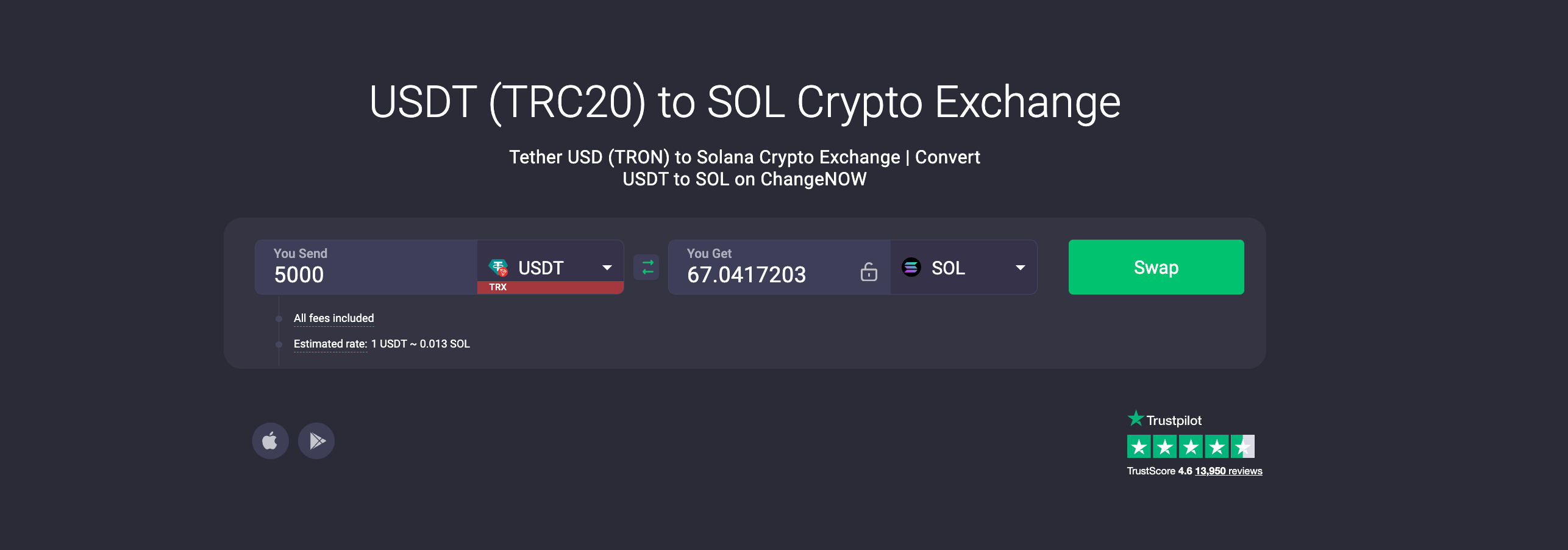
Users holding USDT on TRON, for example, can exchange it for native SOL and receive the cryptocurrency directly in a Solana wallet.
Users can choose how they manage their funds:
Non-custodial services. Swap cryptocurrencies using fixed or floating exchange rates and move assets across blockchains without maintaining a balance on the platform.
ChangeNOW Account. Store and manage 1,000+ assets, place market, fixed and limit orders through our crypto trading platform, access crypto loans, earn cashback and send funds via email.
Users can also buy and sell crypto for fiat through integrated payment providers.
Standard non-custodial swaps require no account registration. AML/KYC requirements depend on the user's jurisdiction and transaction circumstances. Fiat transactions are subject to payment provider verification requirements.
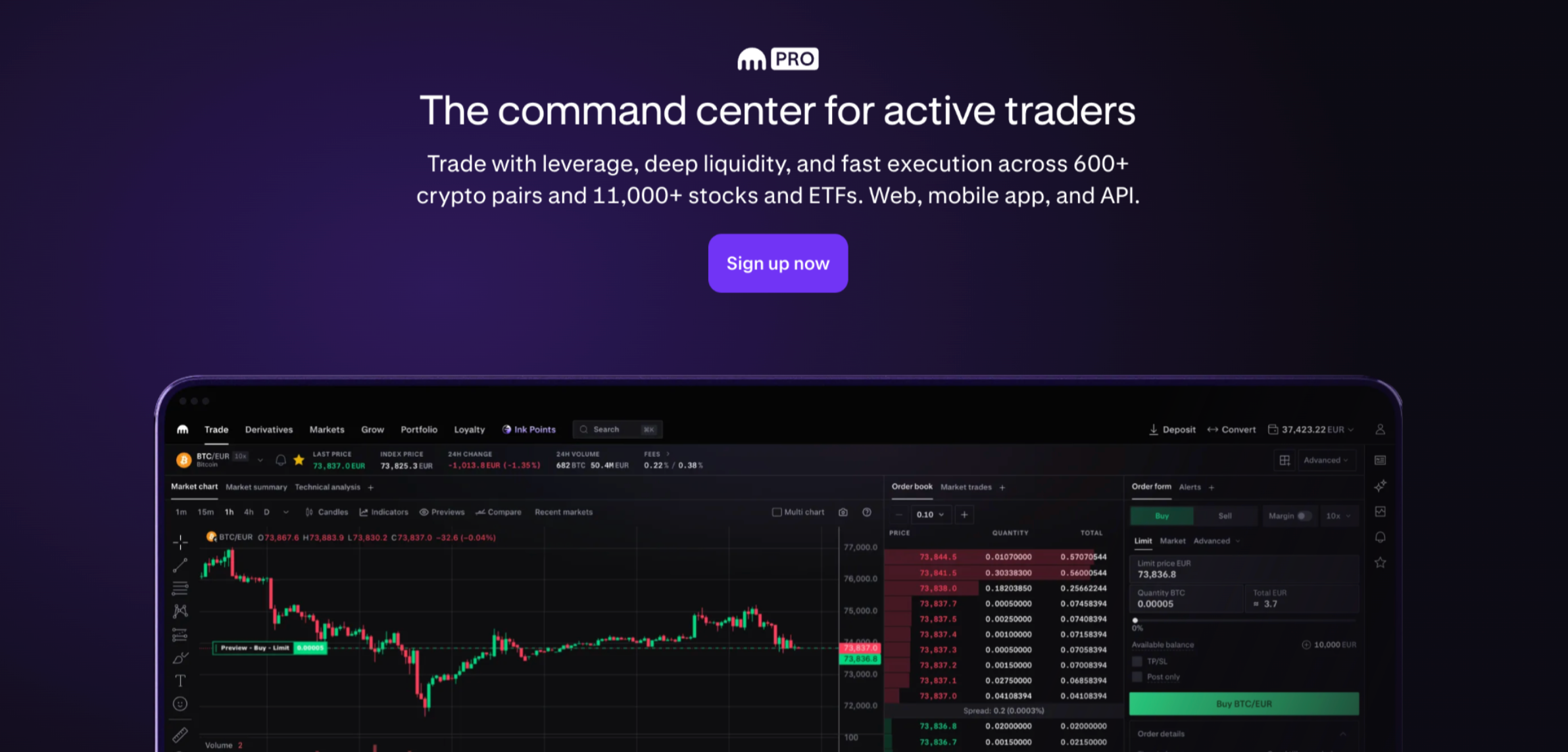
MEXC is a centralized exchange with an extensive spot catalogue covering newly listed tokens and smaller cryptocurrencies. Its Innovation and Assessment zones charge taker fees of 0.08% and 0.20%, respectively, for USDT pairs.
On November 6, 2026, FinCEN issued an order restricting certain transfers involving MEXC through covered US financial institutions, effective December 10.
Binance and KuCoin have since announced restrictions on transactions involving MEXC, potentially complicating transfers between exchanges.
Best for: Accessing newly listed altcoins, subject to transfer restrictions.
3. KuCoin: Automated Altcoin Trading
KuCoin is a centralized exchange offering built-in trading bots, including spot grid strategies.
Grid bots repeatedly buy and sell within a specified price range. When a strategy relies on small price movements, trading fees can eat into its profits.
KuCoin's spot strategy bots receive a 20% discount on VIP 0 rates, bringing execution fees to 0.08%, 0.16% or 0.24%, depending on the asset's fee class.
Best for: Altcoin traders running automated trading strategies.
4. Binance: Spot and Margin Trading
Binance is a centralized cryptocurrency exchange offering spot and margin trading. Its daily spot trading volume reached $8.55 billion in our November 26 CoinGecko snapshot, compared with Gate's $2.29 billion.
October's incident exposed the risks of keeping trading capital and long-term holdings in the same exchange account.
Best for: Active spot and margin trading.
5. Bitget: Copy Trading
Bitget is a cryptocurrency exchange offering copy trading alongside conventional spot and futures markets.
Under Bitget's High Water Mark mechanism, recovering a loss generally does not trigger another profit-sharing charge. New charges apply once profits exceed the previous settled high.
Best for: Traders looking to replicate other traders' strategies.
6. Bybit: Derivatives Trading
Bybit is a cryptocurrency exchange offering perpetual contracts, expiry futures and options.
With inverse contracts, profits and losses are settled in the underlying cryptocurrency. If you hold a BTC-margined long position and Bitcoin falls, you can lose money on the trade and see the dollar value of your collateral decline at the same time.
Best for: Experienced derivatives traders seeking different collateral and settlement options.
7. OKX: Exchange Trading and DeFi
OKX is a cryptocurrency platform combining centralized trading markets with a separate self-custody Web3 wallet.
Running out of a blockchain's native gas token can leave you unable to move other assets in your wallet. OKX's Gas Station addresses this problem by letting users pay with USDT, USDC or USDG on X Layer to receive gas tokens on supported networks through a third-party provider.
Tokens available through the wallet may have no corresponding spot listing on the exchange.
Best for: Users combining centralized trading with on-chain activity.
8. Kraken: Advanced Spot Trading
Kraken is a centralized cryptocurrency exchange offering conditional orders and API-based execution through Kraken Pro.
Its fee structure allows customers to qualify for lower trading fees based on either spot trading volume or eligible asset balances. Holding $20,000 in qualifying assets can reduce standard spot fees from 0.40% to 0.22% for makers and from 0.80% to 0.38% for takers.
Traders accustomed to Gate's USDT markets should check regional availability. Kraken customers in the EEA cannot trade USDT.
Best for: Active spot traders using advanced order types and API execution.
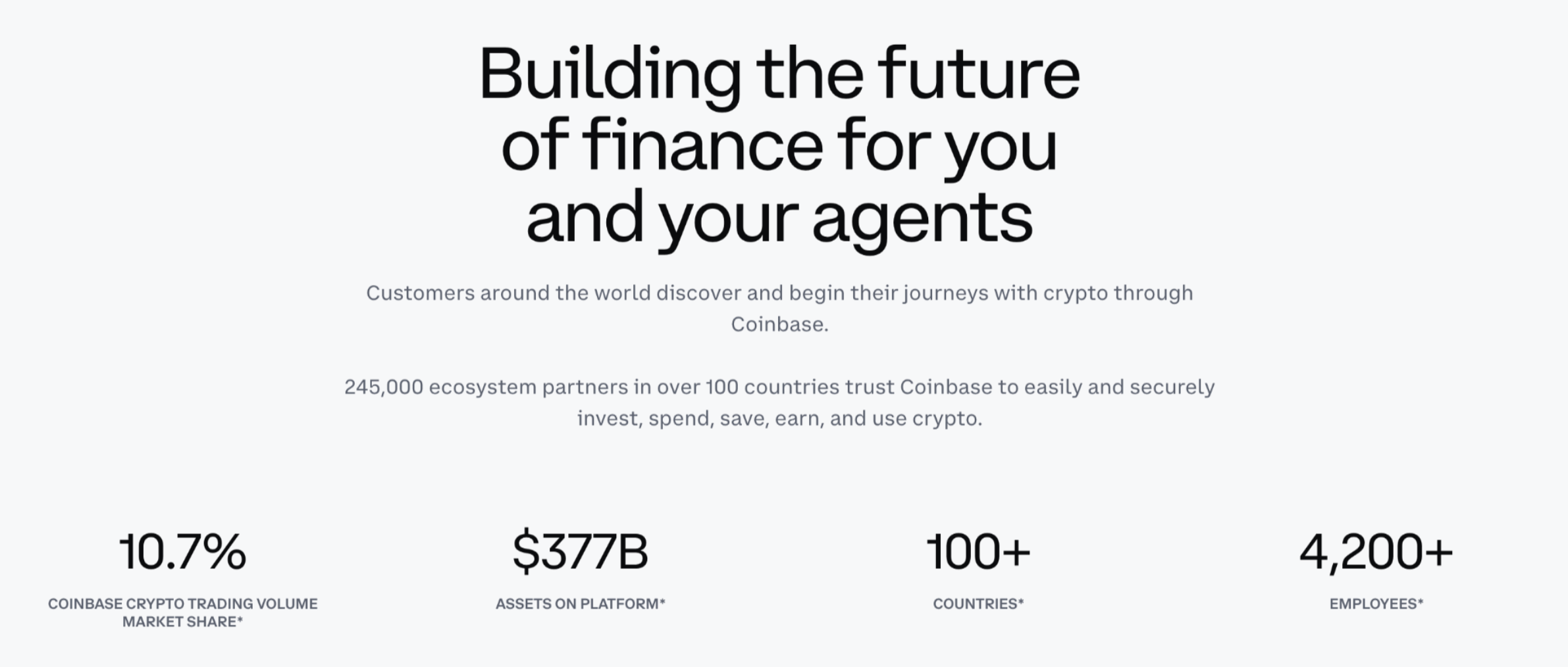
9. Coinbase: Fiat Purchases
Coinbase is a cryptocurrency platform offering fiat purchases and bank transfers, including SEPA deposits for eligible European customers.
On October 22, 2026, the Central Bank of Ireland announced a €3.25 million penalty against Coinbase Ireland for breaches involving customer fund protection and outsourcing. The penalty was subject to High Court confirmation at the time of the announcement.
Best for: Purchasing cryptocurrencies through fiat payment methods.
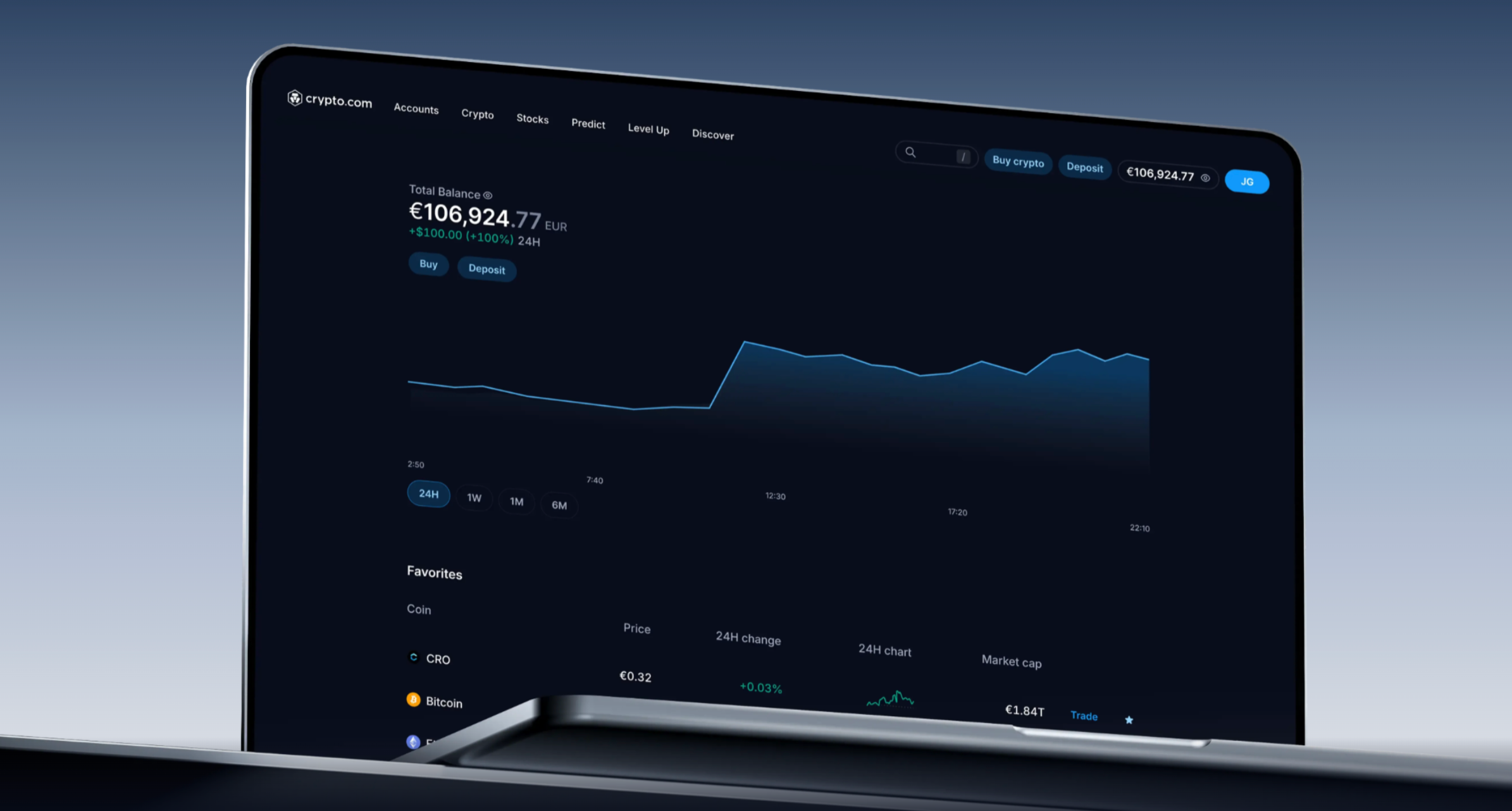
10. Crypto.com: Everyday Crypto Management
Crypto.com is a cryptocurrency platform offering purchases, asset management and eligible payment services through its mobile app.
We also included Kaspa (KAS) because its spot market availability differs across major exchanges.
Platform
HYPE
TAO
KAS
TRX
LTC
ChangeNOW
Swap
Swap
Swap
Swap
Swap
MEXC
Spot
Spot
Spot
Spot
Spot
KuCoin
Spot
Spot
Spot
Spot
Spot
Binance
Spot
Spot
Futures
Spot
Spot
Bitget
Spot
Spot
Spot
Spot
Spot
Bybit
Spot
Futures
Spot
Spot
Spot
OKX
Spot
Spot
Spot unconfirmed
Spot
Spot
Kraken
Spot
Spot
Spot
Spot
Spot
Coinbase
Spot
Spot
Unavailable
Unavailable
Spot
Crypto.com Exchange
Spot
Spot
Spot unconfirmed
Spot unconfirmed
Spot
Gate
Spot
Spot
Spot
Spot
Spot
Data as of November 26, 2026. Futures indicates a derivatives market without a confirmed spot listing. Asset and network availability may vary by jurisdiction.
Sources: CoinGecko market data for HYPE, TAO, KAS, TRX and LTC, alongside official exchange catalogues.
Binance offers KAS perpetual contracts, yet Kaspa remains unlisted on its spot market. Traders can gain exposure to KAS prices without acquiring coins they can withdraw to a Kaspa wallet.
Supported Blockchain Networks
Two platforms may support the same cryptocurrency and still offer different deposit and withdrawal networks.
Gate Cross-Chain allows users to deposit a cryptocurrency on one network and withdraw the same asset on another at a 1:1 conversion ratio, subject to transfer costs and network liquidity.
ChangeNOW supports USDT across 16 blockchains according to its FAQ. You can exchange USDT on TRON for USDT on Ethereum, Solana or TON. If you need USDC on Base, you can change both the asset and the network within a single swap.
Uniswap, PancakeSwap and Jupiter allow users to trade cryptocurrencies directly from their wallets without depositing funds into a centralized exchange account. Gate offers similar functionality through its separate Web3 ecosystem.
Uniswap uses Jupiter's routing infrastructure for Solana swaps through its web app.
When trading on a DEX, you are responsible for network fees, slippage settings and token verification. Anyone can create a token with an existing cryptocurrency's ticker, so check its contract address before approving a swap.
Gate charges standard VIP 0 maker and taker fees of 0.10%, reduced to 0.09% when paying in GT under its published fee schedule. Withdrawal fees vary by asset and network.
Gate Convert charges no separate trading commission, although its quotes may differ from spot market prices.
How Do Gate.io and ChangeNOW Fees Compare?
Gate charges spot trading and withdrawal fees separately, while ChangeNOW includes conversion and outgoing transfer costs in its swap quote.
Transaction stage
Gate spot trading
ChangeNOW standard swap
Sending crypto
Network fee, if depositing
Sending wallet's network fee
Conversion
Trading fees and execution price
Included in swap quote
Delivery to wallet
Withdrawal fee
Included in swap quote
Keeping funds on Gate avoids repeated blockchain transfer costs between trades. For wallet-to-wallet exchanges, compare the final amount of crypto you would receive after all applicable fees.
Is Gate.io Safe and Does It Require KYC?
Gate requires identity verification for deposits, withdrawals and fiat transactions. It publishes proof of reserves, although customer protections vary across its regional entities.
Gate Technology Ltd's Custody Policy, for example, provides for the segregation of customer assets from company funds under its European regulatory framework.
How to Check an Exchange's Proof of Reserves
Check the reporting date, covered assets and liabilities, independent verification and whether you can verify your own balance.
Gate's October 21 Proof of Reserves report reported $8.688 billion in reserves against $7.332 billion in customer net balances, representing a reserve ratio of 118.49%.
Corporate debts may fall outside a reserve assessment. Even a reserve ratio above 100% cannot guarantee future withdrawals.
How to Transfer Crypto From Gate.io
Withdraw your assets to a compatible personal wallet. Check the receiving address, blockchain network and withdrawal fees before making a test transfer.
Once your funds arrive, you can exchange them through ChangeNOW.