Disclaimer: This material is not financial, legal, or investment advice. It is provided for informational purposes only. Cryptocurrency platforms, custody models, and execution tools operate under different regulatory frameworks in the United States. Availability, functionality, and access may change over time. Users are responsible for understanding applicable regulations and assessing whether a particular platform or model aligns with their own risk tolerance and usage needs.
For many US-based crypto users, the discussion around Binance has shifted away from features and pricing toward a more fundamental question: what actually replaces Binance functionality in the United States. Binance is not accessible to US residents, while Binance.US operates as a separate platform with a narrower scope and state-dependent availability [1] [2].
In reality, the idea of a “Binance alternative” in the US does not point to a single platform. Instead, it reflects a fragmented landscape where trading, execution, swaps, and custody are often handled by different tools.
This article analyzes the viable Binance alternatives for US consumers, their structural differences, and the reasons why selection is influenced more by usage patterns than by brand similarity.
TL;DR
For US users, Binance is no longer a single working tool. Regulatory constraints have split familiar workflows into separate parts: trading on one platform, swaps on another, custody somewhere else.
A common setup now looks like this: trade on a compliant exchange, swap assets elsewhere when speed matters, and keep custody separate from trading. Instead of replacing Binance, US users rebuild only the parts they actually need.
How Binance Actually Functions for Global Users
For users outside the United States, Binance is typically used as an active execution environment rather than a passive exchange account. Users move in and out of positions, rotate assets, and swap between networks without leaving the platform.
Instead of treating balances as long-term storage, many rely on Binance to quickly reallocate funds, respond to market changes, or move capital between assets and chains as conditions shift. The value of the platform comes from how many actions can be completed in one place, without breaking the execution flow.
For many users, Binance functioned less as a place to store crypto and more as an execution layer. Trading, asset rotation, and liquidity access were tightly integrated within a single environment, minimizing friction between execution, custody, and interface.
This lost execution flow explains why US users struggle to find a direct replacement. Alternatives are measured by how much of this workflow they can realistically restore.
Is Binance Available to US Users
FAQ
No. Binance is not available to US users. Binance.US operates as a separate platform with limited, state-dependent functionality and a narrower product scope.
No. Using a VPN to access Binance as a US resident violates the platform’s terms of service and can result in account freezes, forced withdrawals, or permanent loss of access. VPNs do not bypass KYC checks, withdrawal monitoring, or internal risk controls.
No. Binance.US is a legally separate platform with different asset coverage, execution capabilities, and product availability compared to Binance’s global platform.
Not fully. Coinbase replaces Binance’s regulated trading component by offering compliant spot markets and regulated derivatives, but it does not recreate Binance’s execution-centric environment or account-light workflows.
Trading refers to order-book–based activity within an exchange account, including spot and derivatives trading. Execution refers to swaps or asset movement completed without participating in an order book or maintaining a trading account.
What used to happen inside one interface now spills across several platforms. Each step works, but the flow between them is gone.
Some alternatives prioritize execution rather than trading. These platforms allow users to execute swaps directly from their wallets without maintaining exchange accounts or custodial balances, reducing account dependency and custodial exposure.
This model aligns with users who relied on Binance primarily for asset movement and execution rather than continuous trading.
Binance has its own platform called Binance.US. This implies that the asset coverage, product access, and execution capabilities are not the same as those on Binance and change from state to state.
For many US users, the impact of this separation is not abstract. Binance historically functioned as a unified execution environment where asset swaps, cross-network movement, and balance management could be handled within a single interface.
In the US, these workflows no longer exist in one place [2]. Users must separate trading, execution, and custody across different platforms, each with its own account model, onboarding requirements, and operational constraints. What is lost is not just feature access but the ability to treat a single platform as an execution layer rather than a regulated trading venue.
Why US Users Look for Binance Alternatives
US users start looking for Binance alternatives when familiar workflows stop working. Actions that once took a few clicks now require multiple platforms, separate accounts, and extra waiting.
For instance, moving funds between assets, swapping across networks, or repositioning after a trade often means leaving an exchange, sending funds elsewhere, and then continuing the process manually. Over time, this friction pushes users to look beyond traditional exchange interfaces and toward tools that prioritize execution and asset movement.
Holding large balances on centralized platforms increasingly becomes a calculated trade-off rather than a default approach. In this context, alternatives are evaluated by what they enable functionally, not by brand similarity.
Centralized Binance Alternatives Available in the US
Several centralized platforms operate legally in the United States and are often considered when users search for Binance alternatives. These exchanges prioritize regulatory compliance, custodial safeguards, and account-based trading, which makes them suitable for participation in the US market but structurally different from how Binance functioned for global users.
In the United States, derivatives activity is governed by layered regulatory requirements covering documentation, margining, clearing, and reporting, as outlined in the Derivatives Laws and Regulations – USA overview by ICLG. These constraints directly influence how crypto derivatives are structured and executed in the US market [10].
Non-Custodial and Custody-Light Alternatives
Execution Without Exchange Accounts
One category of Binance alternatives focuses on non-custodial execution. In this model, users execute swaps directly from their wallets without opening or maintaining exchange accounts [7]. Private keys remain under user control, while execution is handled externally.
This approach supports execution-oriented use cases such as asset rotation and cross-chain swaps without prolonged custodial exposure. ChangeNOW illustrates how execution can be separated from traditional exchange infrastructure, allowing users to prioritize function over interface.
Custody-Light Execution Models
At a certain scale, fully non-custodial execution becomes inconvenient. Users still want fast swaps and asset movement, but also need order, visibility, and continuity across repeated operations.
Custody-light execution sits between self-custody and exchange accounts. Assets are held in a managed environment, but they are not locked into trading interfaces or dependent on order books. This allows users to execute swaps and move funds without turning custody into a trading account.
Unlike non-custodial execution models, this approach introduces structured asset management while deliberately avoiding exchange-based trading environments and order-book–driven workflows.
This model is particularly relevant in the US market, where exchange custody is often tied to account eligibility, state-level restrictions, and product-specific access limitations. Custody-light execution reduces dependence on exchange accounts while preserving operational continuity and controlled handling of assets.
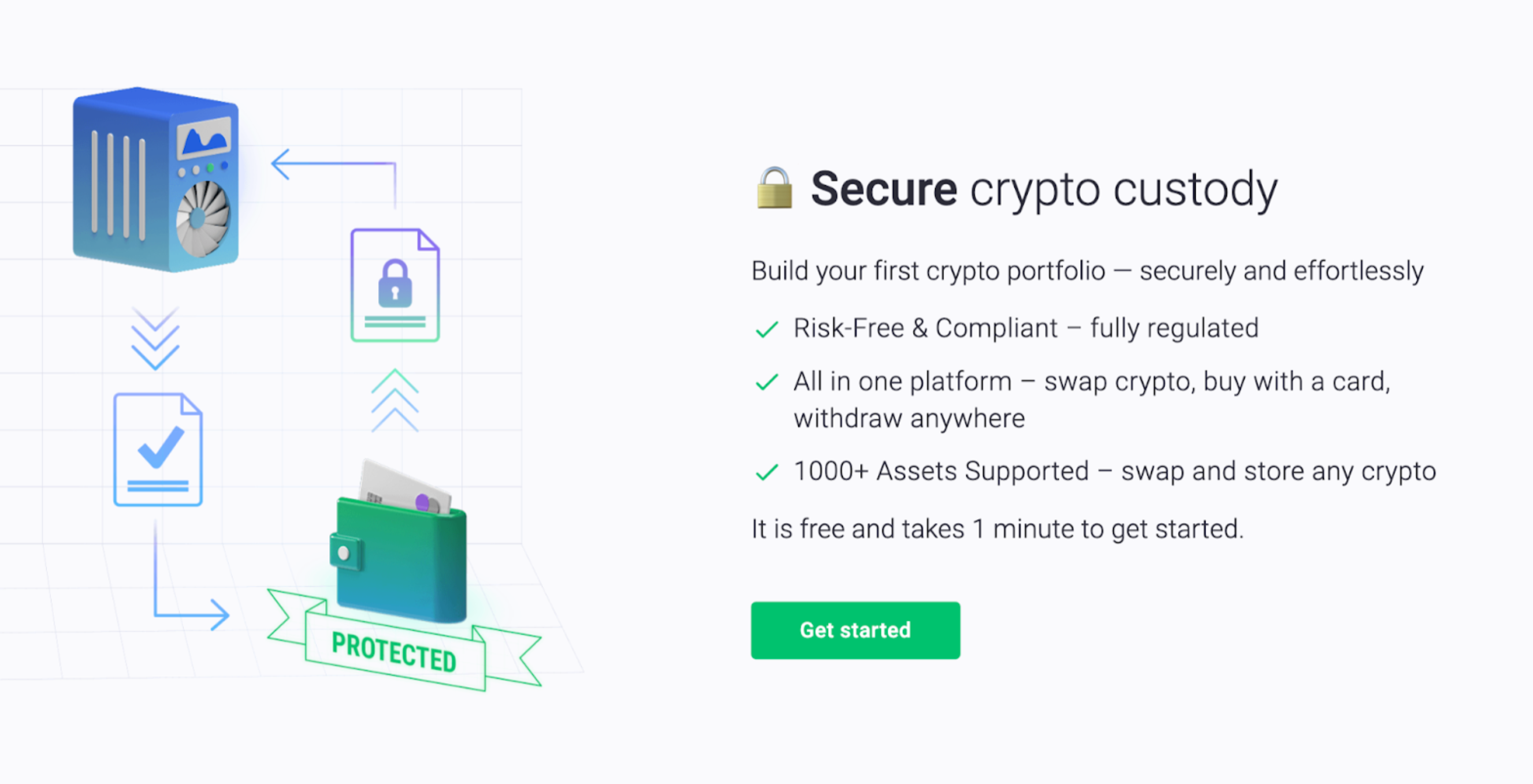
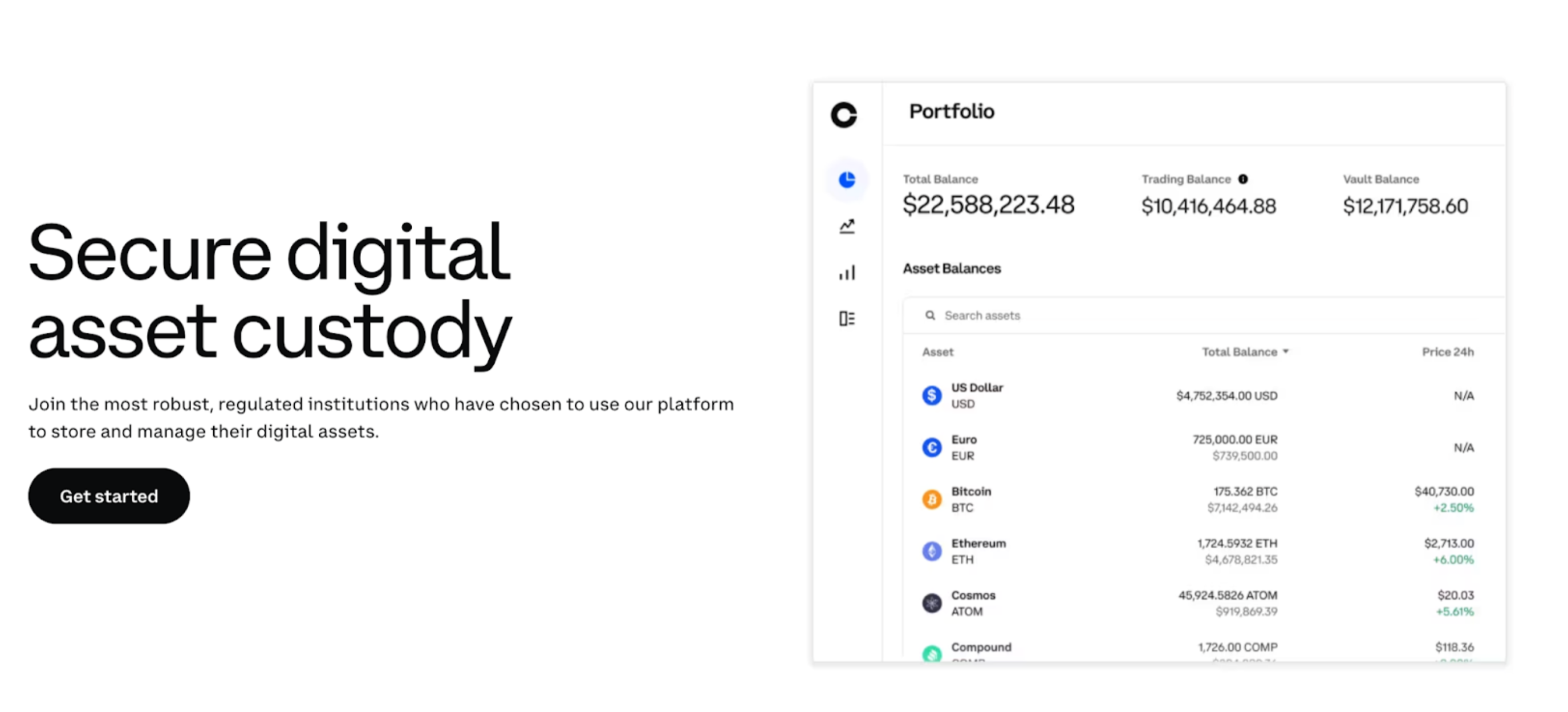
ChangeNOW Pro applies this approach by introducing a custody-focused execution model that separates asset management from trading logic. Assets are held within a managed custody environment, while execution remains centered on swaps and routing rather than continuous trading [8]. Unlike exchange custody, funds are not embedded into a trading interface, which reduces reliance on exchange account-based access models and feature fragmentation.
ChangeNOW Pro is typically used when execution becomes repetitive. Swaps follow similar patterns, balances need to be tracked over time, and operations require consistency rather than ad hoc transactions. Instead of turning these workflows into trading activity, Pro keeps execution and custody organized while avoiding the complexity of a full exchange environment.
This allows custody and execution to coexist without recreating the complexity, jurisdictional constraints, or account dependency typical of US-based centralized exchanges.
Beyond its execution and custody structure, ChangeNOW Pro also includes a set of secondary usability features that refine the overall experience without redefining its core purpose.
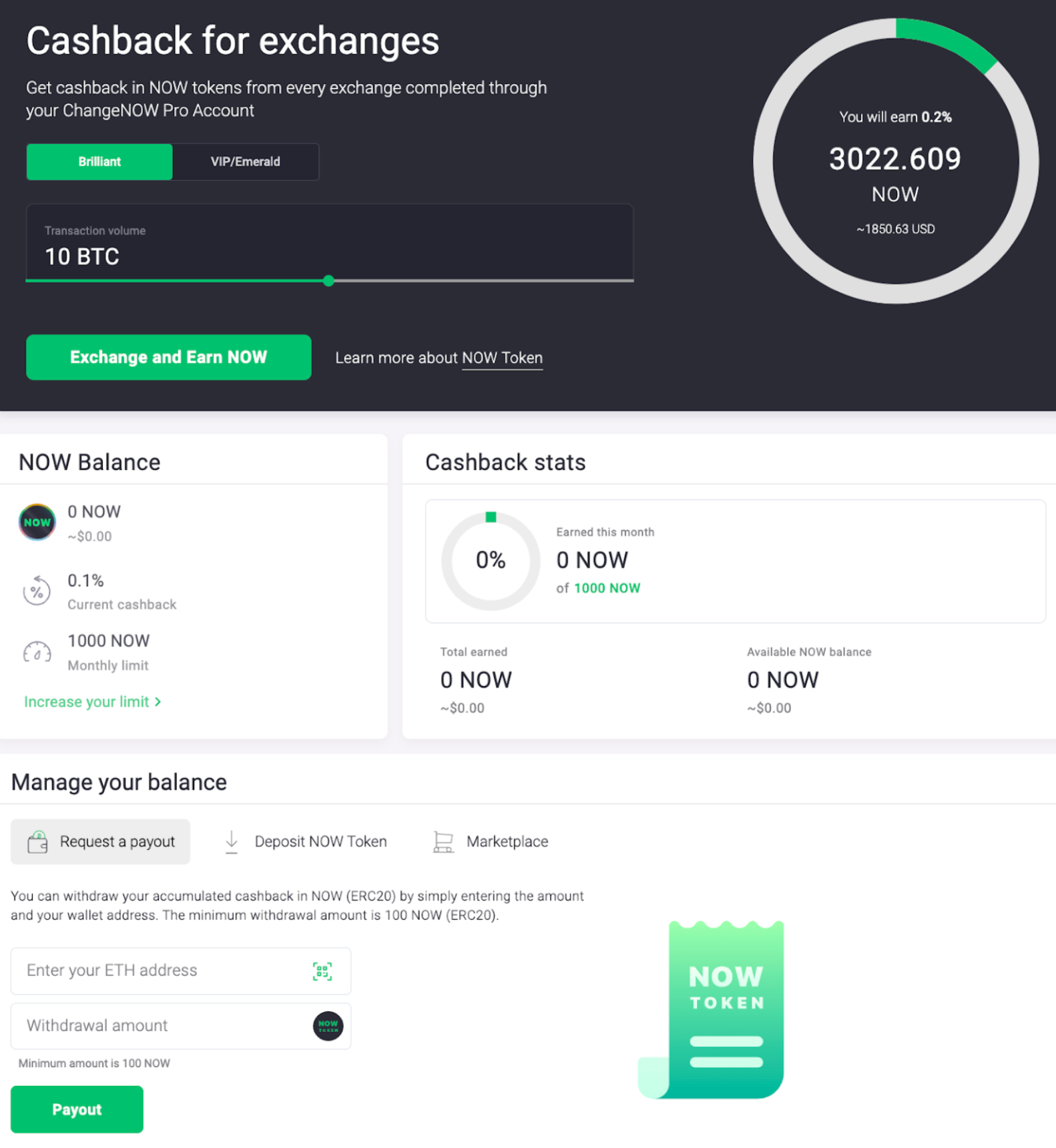
For example, completed swaps can generate cashback in NOW tokens, functioning as a marginal efficiency benefit rather than a trading incentive. Alongside a streamlined interface and transparent account-level tracking, these elements act as incremental optimizations – a “finishing layer” that improves day-to-day execution workflows without shifting the platform toward speculative or exchange-style usage.
Strategic Insight: ChangeNOW Pro works when execution is the goal and trading is not. It keeps swaps, balances, and repeated operations organized, but it deliberately avoids order books, speculative tooling, and trading-style workflows.
Regulated Trading Venue for US Market Access
Coinbase
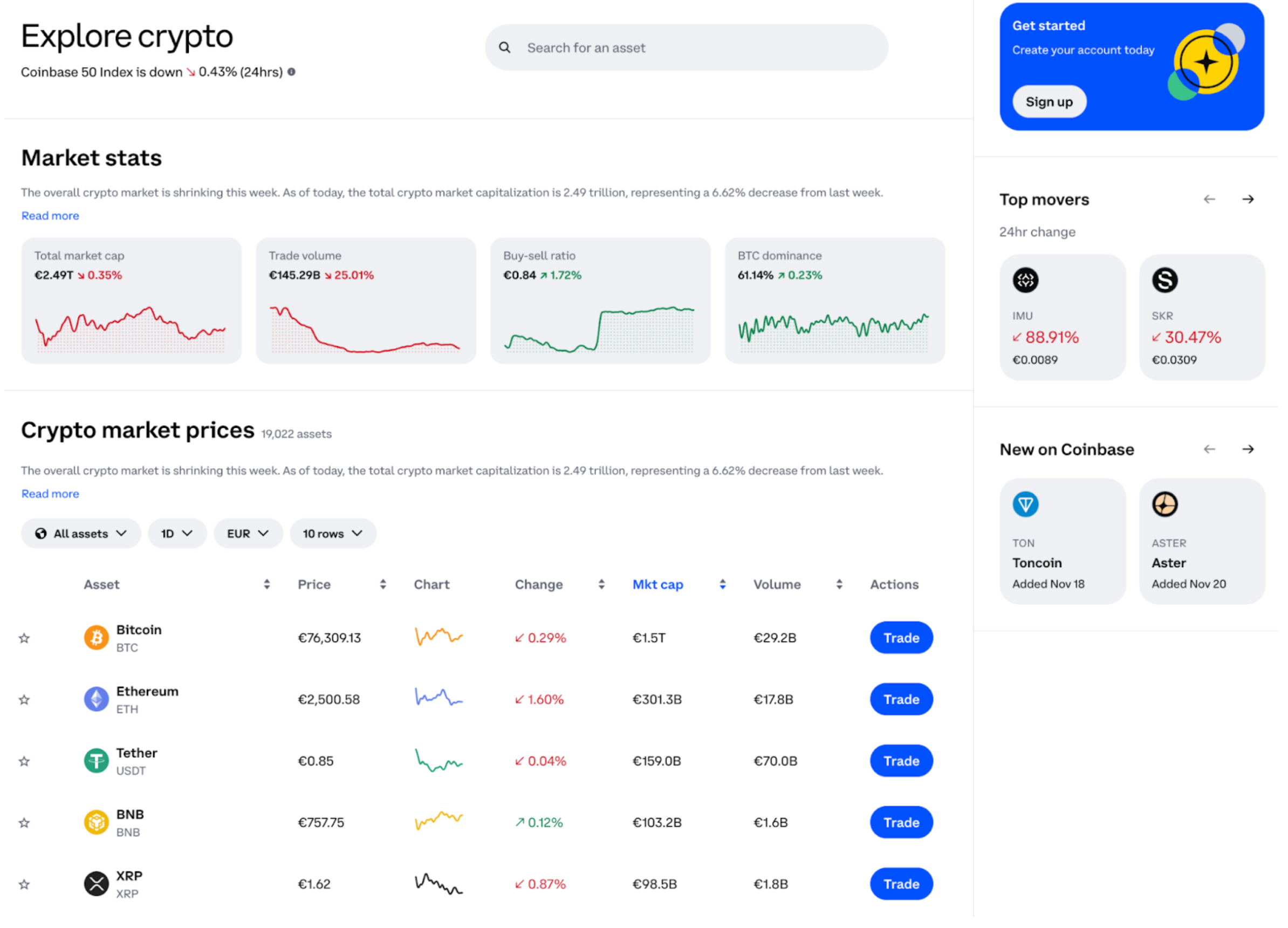
Coinbase is one of the most widely accessible cryptocurrency exchanges in the United States, offering broad state coverage, regulated custody, and direct access to spot trading markets [3]. Its infrastructure is designed around compliance-first onboarding, fiat connectivity, and account-based asset management, making it a common choice for users seeking regulated exposure to crypto markets.
Coinbase works best when users want a compliant trading account. Assets are deposited, trades are placed, and custody remains tied to the account. What Coinbase does not replicate is the way Binance was used globally – as a fast execution environment for constant asset movement rather than a destination for balances.
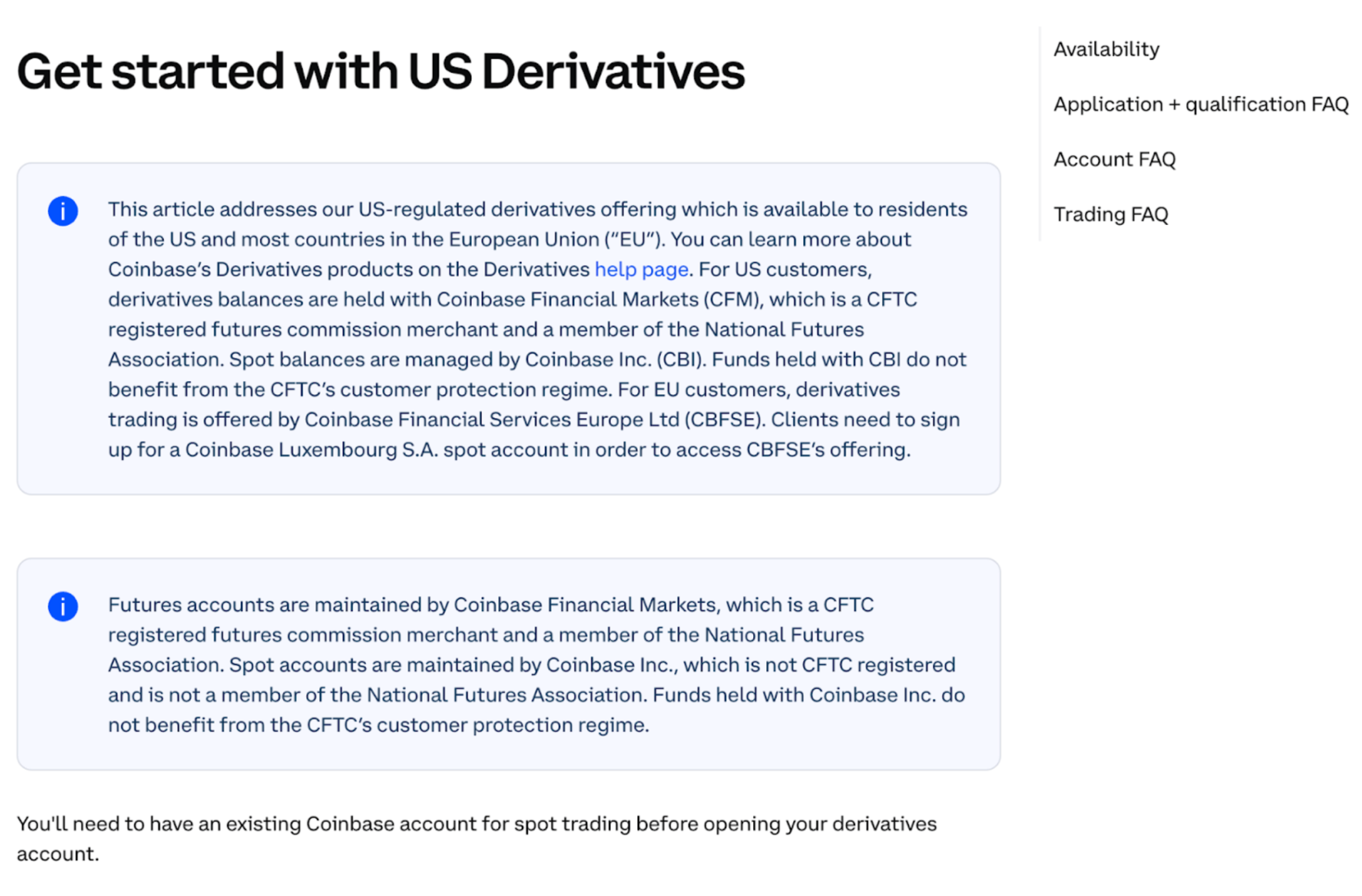
In addition to spot markets, Coinbase has expanded into US-regulated crypto derivatives through Coinbase Financial Markets, a CFTC-registered futures commission merchant. Eligible users can access continuously traded, CFTC-compliant futures on Bitcoin and Ether via Coinbase Advanced [4] [5].
However, these instruments operate under a fundamentally different framework compared to the global derivatives markets historically offered by Binance [5], resulting in a more segmented and controlled trading environment.
Strategic Insight: Coinbase replaces regulated trading access, not Binance-style execution. It adds compliant futures, but the unified, fast-moving execution environment is still absent.
Kraken
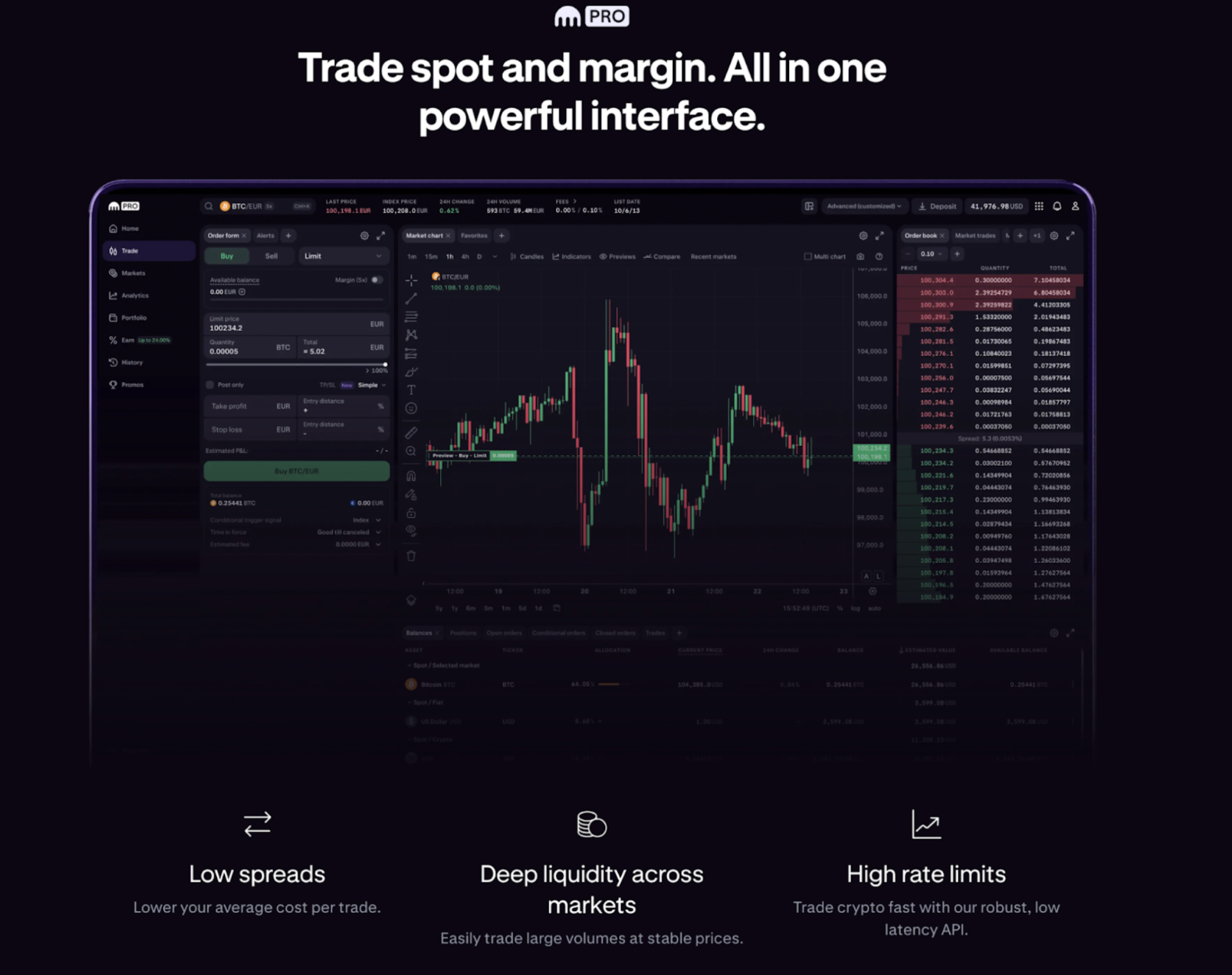
Kraken has been around in the US for a long time and works fully within local regulations. Users usually come to it when they need reliable liquidity, solid order books, and tools that go beyond basic buy-and-sell. It’s not really built for casual use – the platform makes more sense for users who actively trade and care about how the market actually behaves.
Kraken focuses on trading, not movement. Users deposit funds, place orders, and manage positions within a regulated exchange environment. While this supports advanced trading strategies, it assumes that assets stay on the platform. Fast swaps, routing, or cross-chain execution fall outside its core design.
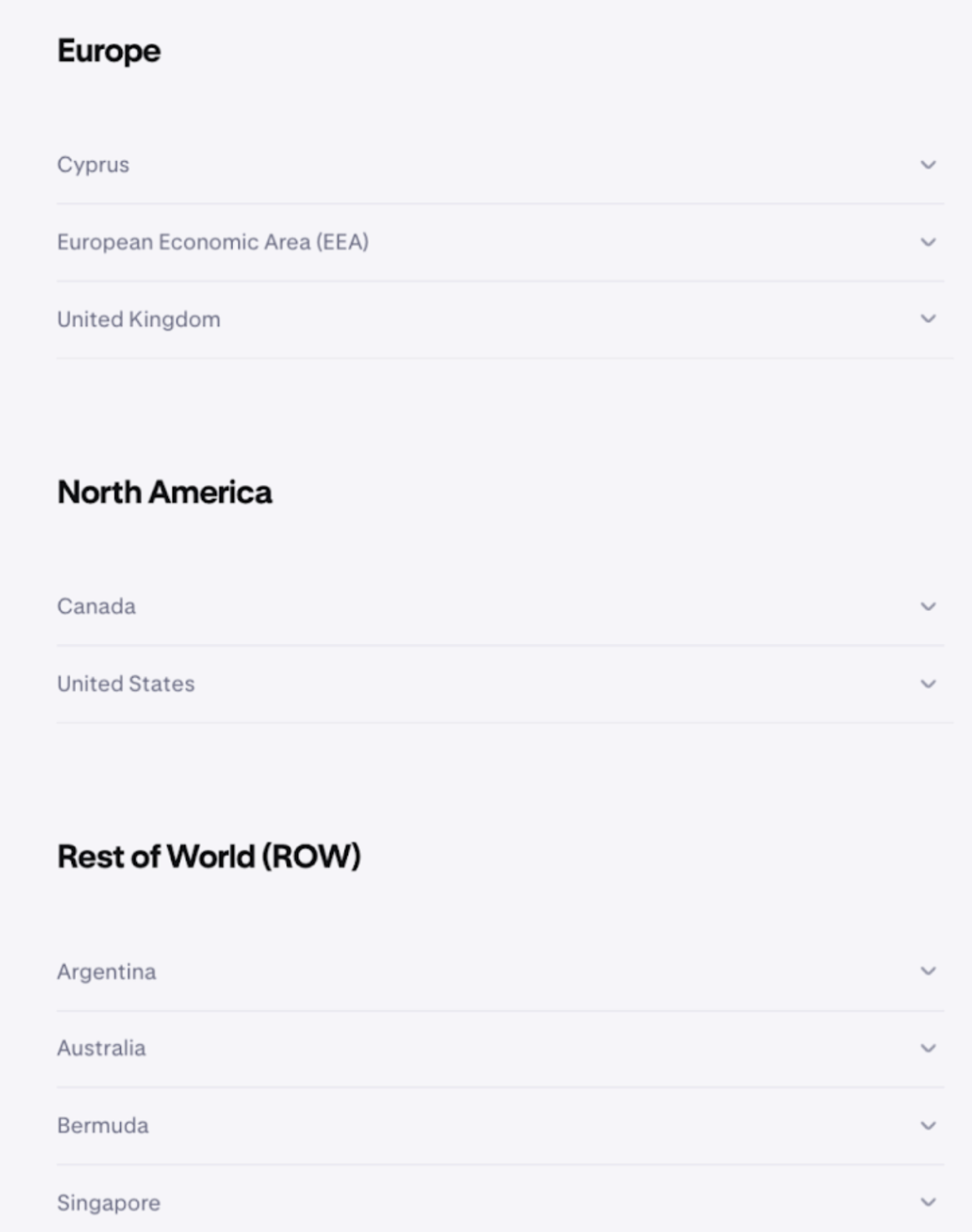
In practice, Kraken’s functionality in the US is segmented by jurisdiction and eligibility, which limits uniform access to advanced features [6].
Kraken explicitly notes that feature availability varies by region and eligibility criteria, rather than being uniform across all markets.
Example of Kraken’s regional availability framework, illustrating how feature access differs by jurisdiction rather than by platform capability.
In this context, Kraken operates primarily as a regulated trading venue and does not support rapid, account-free execution or time-sensitive cross-network asset movement.
Strategic Insight: Kraken works if your assets stay on the exchange and trading is the priority. It breaks down for users who expect fast swaps, routing, or movement outside an account-based trading flow.
As we can see, these platforms address regulated trading needs but only partially replace the functionality users historically associated with Binance.
Platforms such as Coinbase and Kraken are profiled more thoroughly in our section on leading platforms across trading and Web3 access in Best Binance Alternatives in 2026.
Why Exchanges Are Not Always a Binance Replacement
This gap becomes obvious once users try to move quickly. On most US exchanges, actions that feel routine – switching assets, reallocating after a trade, or moving funds across networks – immediately slow down.
Instead of happening inside one flow, these steps often require leaving the exchange, using external tools, and manually continuing the process. The exchange itself works as intended, but it is no longer the place where execution happens.
This gap doesn’t mean exchanges are failing. They’re just built for a different kind of job. Exchanges work as designed, but this is usually where things slow down. Asset switches, reallocations, or cross-chain moves stop being part of a single flow and turn into separate steps.
Strategic Insight: In the US, exchanges still handle compliance and trading, but execution usually happens somewhere else once speed or movement matters. Users who once relied on Binance for flexibility end up combining multiple tools: exchanges for compliance and execution-first platforms for swaps, routing, and asset movement.
Binance Alternatives for US Users at a Glance
After reviewing how ChangeNOW, Coinbase, and Kraken operate in the US market, it becomes clear that they address different parts of the functionality historically associated with Binance. Rather than competing directly, these services occupy distinct roles across trading, execution, and custody.
Aspect
ChangeNOW
Coinbase
Kraken
Availability in the US
Yes
Yes (broad, state-dependent features)
Yes (state- and eligibility-dependent)
Primary role
Execution-first swap and routing layer
Regulated trading venue
Regulated trading venue
Core function
Swaps, routing, asset movement
Spot and regulated derivatives trading
Spot trading with advanced market tools
Account custody and control
User-controlled wallet or custody-light setup
Exchange account with custodial control
Exchange account with custodial control
Execution model
External swap execution without order books
Account-centric, order-book based trading
Account-centric, order-book based trading
Swap functionality
Core execution mechanism
Secondary or external
Secondary or external
Dependency on trading interface
None
High
High
Regulated derivatives (US)
No
Yes (CFTC-compliant via Coinbase Financial Markets)
Limited and state-dependent
Cross-chain capability
Built-in swap routing across chains
Limited or external tools
Limited or external tools
Typical use case
Users prioritizing fast execution and swaps without accounts
US users seeking compliant spot and derivatives access
Experienced traders seeking deeper liquidity and tools
Best suited for
Execution-first asset movement and cross-chain swaps
Regulated trading and compliant market exposure
Advanced trading within regulatory limits
This comparison illustrates why US users rarely rely on a single platform to replace Binance. Regulated exchanges such as Coinbase and Kraken serve trading needs within compliance constraints, while execution-first tools like ChangeNOW handle swaps and asset movement without exchange accounts.
Choosing the Right Binance Alternative in the US
There is no universal Binance replacement for US users. The appropriate alternative depends on how crypto is used.
Users focused on active trading typically rely on centralized US exchanges. Those prioritizing swaps and execution often choose non-custodial execution platforms. Users seeking custody without full exchange exposure may prefer custody-light models. In each case, functional alignment matters more than brand similarity.
Final Conclusion
In the United States, Binance is not replaced – it is decomposed. Regulated exchanges such as Coinbase and Kraken address compliant trading needs, while execution-first tools support swaps, routing, and asset movement outside traditional exchange accounts.
For US users, understanding execution models and custody structure matters more than platform branding. Users who evaluate alternatives based on how assets are actually traded, executed, and moved are better positioned to build resilient crypto workflows in the US market.