Perpetual futures have emerged as one of the most flexible and popular trading instruments in the cryptocurrency world. Unlike traditional futures, these contracts allow traders to speculate on the price of an asset–like Bitcoin, Ethereum, or other cryptos without owning the underlying asset.
With no expiration date and the use of margin-based exposure, perpetual futures open doors to both opportunity and risk [8].
Before diving in, keep in mind that trading perpetual futures involves significant risk.
DYOR, apply strict risk management, and separate long-term assets from active trading capital – in this guide, we’ll look at the tools and services commonly used to support a more controlled trading approach.
We are happy to announce that NOW Wallet now supports perpetual futures trading directly from your wallet — read more in our article!
TL;DR
Perpetual futures provide flexible exposure to crypto markets without expiration dates but come with heightened risk due to amplified exposure and volatility [11]. A structured approach to risk management and asset security is essential for sustainable trading.
How Perpetual Futures Work
Perpetual futures are designed to closely track the spot price of a cryptocurrency – the price at which it can be bought or sold immediately [10]. To maintain this alignment, perpetual futures use a unique mechanism called the funding rate [5].
What Is a Funding Rate?
The Funding Rate is a recurring payment exchanged between traders, depending on whether positions are long (expecting the price to rise) or short (expecting the price to fall) [6].
Positive funding rate: Long position holders pay shorts when the futures price is higher than the spot price.
Negative funding rate: Short position holders pay longs when the futures price is below the spot price [7].
This mechanism keeps perpetual futures aligned with market reality and prevents extreme deviations from the spot price.
Example: If the funding rate is 0.01% every 8 hours and a trader holds a long position with $10,000 exposure, they would pay $1 every 8 hours to the short position holders. Conversely, if the funding rate were negative, the long position holder would receive payments instead.
This simple calculation helps beginners understand how funding payments can increase or reduce net profits over time, depending on market conditions.
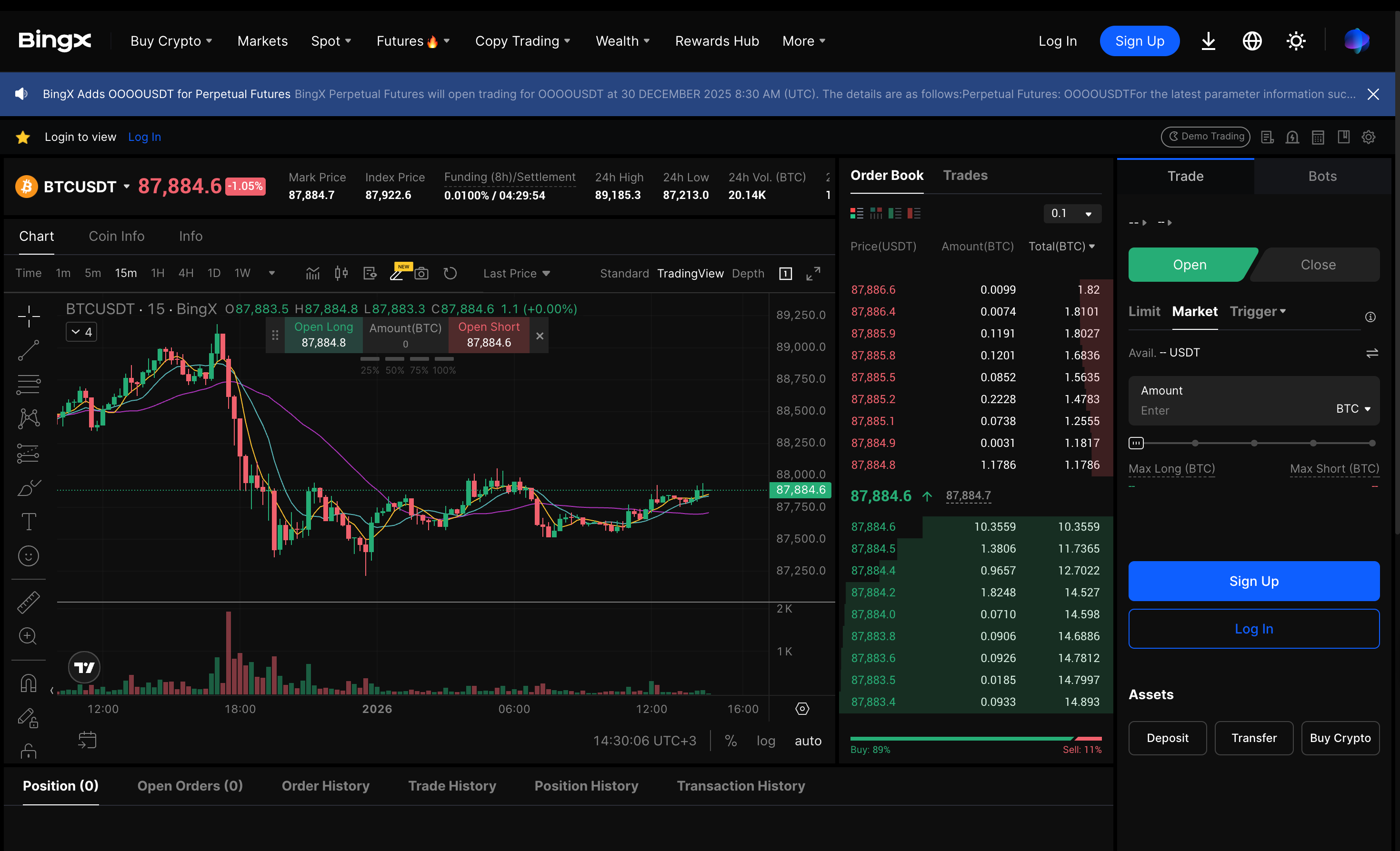
For a better understanding of how perpetual futures work in a real trading environment, consider the example of the BTC/USDT perpetual futures chart from the BingX [13] platform (shown below). The chart reflects the real-time price movement of Bitcoin (BTC) against Tether (USDT) on a 15-minute timeframe [9]. It shows not only the price fluctuations but also the order book, indicating buy and sell orders at various price levels.
Bitcoin (BTC) against USDT
As seen in the screenshot:
On January 1, 2026, Bitcoin was trading around $88,000 (≈87.5–88.5k), reflecting a period of market consolidation after volatility in 2025 [13].
The current BTC price is 87,884.6 USDT, with a 1.05% decrease in value at that moment.
The order book displays a range of buy and sell orders, with prices from 87,884.4 to 87,886.6 USDT.
In the trade section, users can open long or short positions on the BTC/USDT market, using margin to increase position size (up to 10x), which amplifies both potential profits and risks.
The position details section provides information on the trader’s current holdings and risk exposure in the market.
This example illustrates how perpetual futures let traders react to rapid price movements using real-time data, margin, and leverage.
It demonstrates the way perpetual futures are always traded on the crypto market. Traders can respond to price changes that happen quickly and make decisions based on data that is always available.
Below, we will examine an example from a different cryptocurrency market.
Altcoins in Action: The Solana (SOL) Example
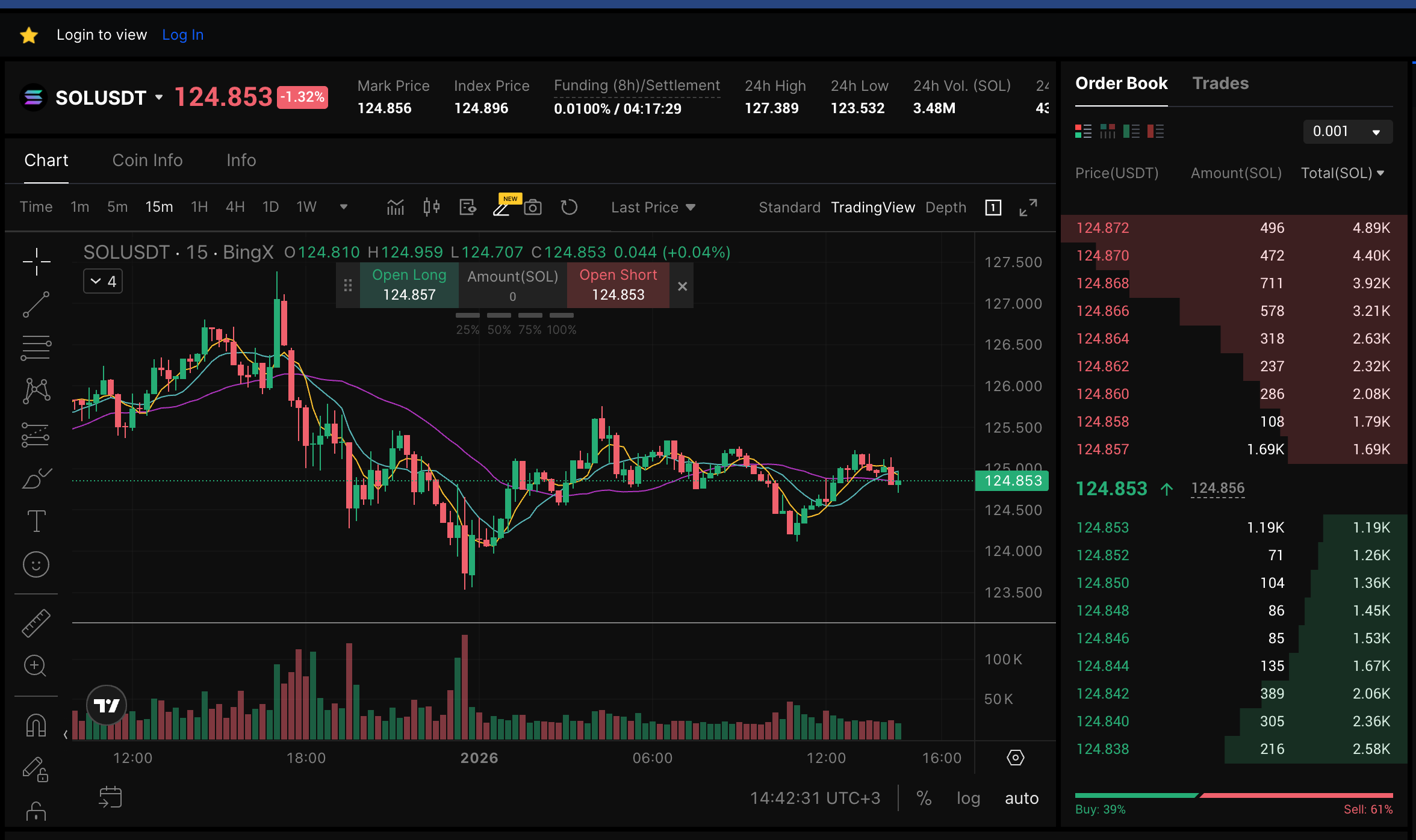
While Bitcoin often sets the overall market trend, trading perpetual futures on altcoins like Solana (SOL) presents distinct characteristics. These markets can exhibit higher volatility and react more sharply to asset-specific news [12], such as network upgrades or ecosystem activity.
Solana (SOL) against USDT
The SOL/USDT chart demonstrates how the same trading instruments apply to a different asset (as of January 1, 2026). A key takeaway here is the price and volume dynamics: at the moment captured in the chart, SOL is down 1.32% – a movement that may represent a more significant percentage swing compared to Bitcoin over the same period.
This highlights important contextual considerations for a trader:
Asset Selection: Perpetual futures allow speculation not just on Bitcoin's direction, but also on the relative strength or weakness of individual altcoins.
Volatility & Leverage: The inherent volatility of many altcoins demands extra caution with position sizing. A 5–10% move, which is common, can quickly lead to liquidation or significant profit when using a 10x multiplier.
Funding Rate Context: On altcoin markets, especially those with lower liquidity, funding rates can be more volatile and significantly impact the long-term profitability of a position.
Another Example
Alice opens a long Bitcoin perpetual futures position with 10x leverage, using $1,000 in margin for $10,000 exposure.
If Bitcoin rises 5%, Alice earns $500 (50% of her capital).
If Bitcoin drops 5%, she loses $500.
Funding rate payments apply periodically, which can reduce or increase net profits depending on market conditions.
Now that we've gotten acquainted with How Perpetual Futures Work, let's move on to the Key Features of Perpetual Futures.
What Are the Key Features of Perpetual Futures?
Perpetual futures are distinct from traditional derivatives due to several features that appeal to crypto traders. Here's a deeper look:
Feature
Description
Why It Matters
No Expiration Date
Perpetual futures never expire. Traders don’t have to worry about rolling over positions.
Provides flexibility to hold positions long-term, ideal for trend-based strategies.
High Leverage Opportunities
Traders can control larger positions through margin-based trading (up to 100x on some exchanges).
Amplifies potential gains–but also increases risk of liquidation. Careful margin management is critical.
Funding Rate Mechanism
Periodic payments between long and short positions keep futures prices aligned with the spot market.
Ensures that perpetual futures trading reflects real market conditions and prevents extreme deviations.
24/7 Market Access
Crypto markets never sleep, unlike traditional markets.
Traders can react to market movements anytime, including weekends and holidays.
Hedging Capabilities
Traders can open short positions to protect existing crypto holdings from price drops.
Helps manage risk while holding underlying assets, a key strategy in crypto derivatives.
Extended insight:
No Expiration Date: This removes time pressure on traders. They can strategize based on market trends, rather than contract deadlines.
High Leverage: While amplified exposure can magnify profits, it’s also where many traders face position liquidation risk. Stop losses and careful margin monitoring are essential.
Funding Rate: Regular funding payments can either reduce costs (negative funding) or add extra expenses (positive funding), affecting long-term profitability.
24/7 Trading: The crypto market never pauses, so traders can seize opportunities during major market moves, even outside traditional market hours.
As a hedging instrument, perpetual futures help traders manage downside risk while keeping underlying assets in regulated custody solutions, including platforms like NOW Custody [3] and ChangeNOW Pro [2]. Later in this guide, we’ll review how such platforms fit into a structured trading setup.
Perpetual Futures vs Traditional Futures
These differences matter. Understanding their strengths and limitations, let’s compare perpetual futures with traditional futures contracts.
Feature
Perpetual Futures
Traditional Futures
Expiration
None
Set date (daily, monthly, quarterly)
Funding Rate
Yes, it ensures price alignment
No
Maximum Exposure
Often high (up to 100x)
Typically lower, varies by exchange
Market Hours
24/7
Limited to exchange hours
In practice, perpetual futures are better suited for continuous, short- to medium-term trading in highly volatile markets. Traditional futures, by contrast, are often used in more structured, time-bound strategies where contract expiration plays a functional role.
Verdict: Perpetual futures provide continuous trading opportunities, but the risks from large position sizes and volatility are magnified compared to traditional contracts.
Why Do Traders Use Perpetual Futures?
Perpetual futures attract traders due to their unique combination of flexibility, leverage, and hedging opportunities, which traditional futures often fail to match. Since these contracts have no expiration date, you can enter and exit positions based on market trends, not arbitrary deadlines. This flexibility is especially valuable for crypto traders who monitor markets 24/7 and want to react quickly to unexpected price movements. Using borrowed capital allows traders to control larger positions with a relatively small capital outlay, amplifying potential returns – but it also magnifies losses, which is why strong risk management and continuous monitoring are essential.
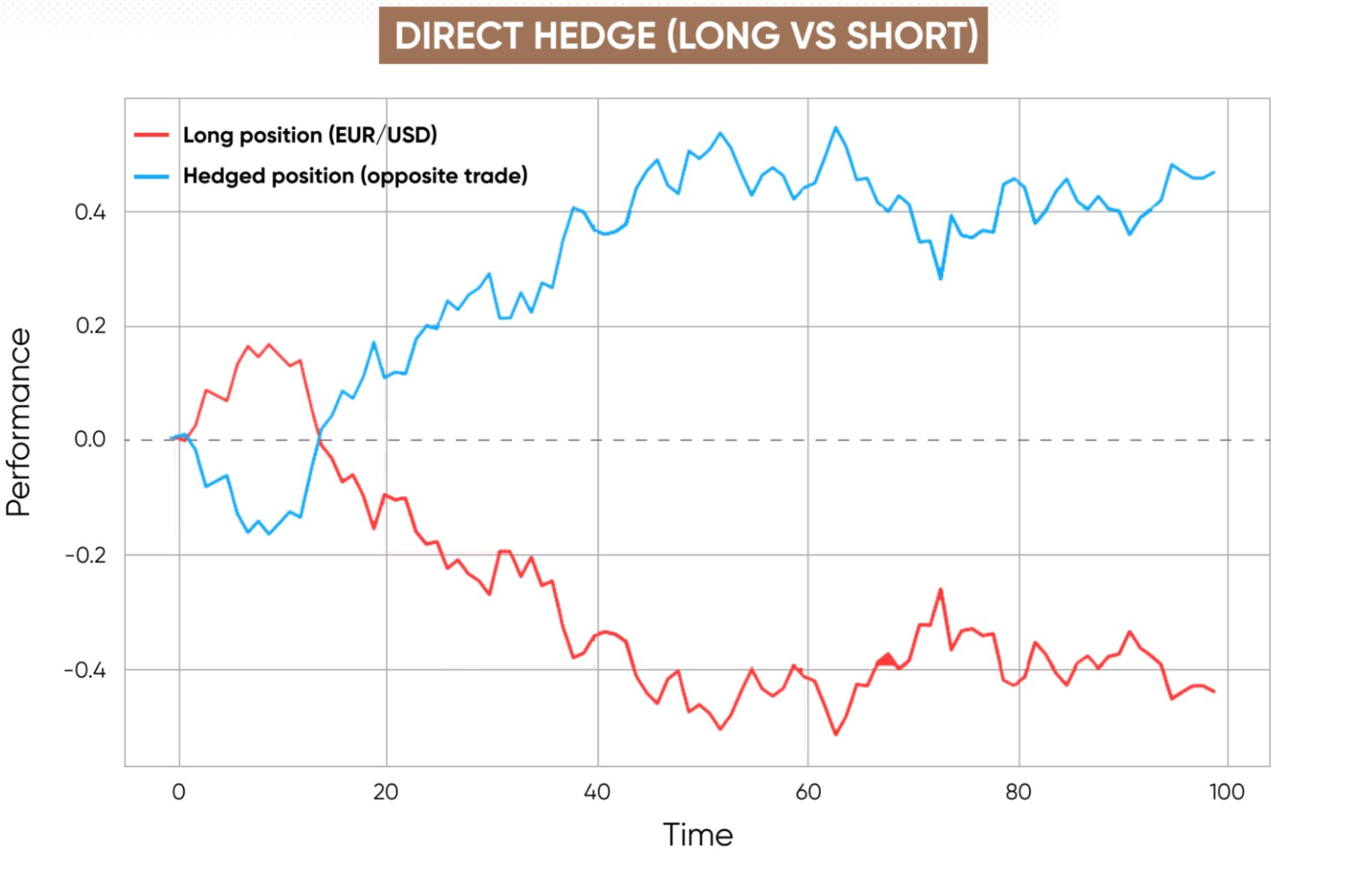
Perpetual futures also serve as a practical hedging tool. For example, if you hold a significant amount of Bitcoin and anticipate a short-term market drop, opening a short position in perpetual futures can offset potential losses, letting you protect your portfolio without selling your underlying assets.
Example of a direct hedge: combining a long spot position with an opposing perpetual futures position can reduce downside risk during adverse market moves.
Additionally, these instruments allow for diversification: by trading crypto derivatives rather than buying the asset outright, traders can gain exposure to multiple markets simultaneously, spreading risk and potential reward.
Ultimately, perpetual futures offer a unique blend of opportunity, flexibility, and strategic depth – but only when approached with careful planning and awareness of inherent risks.
Risks in Perpetual Futures Trading
While perpetual futures can be a powerful tool, they are far from risk-free. Highly leveraged positions carry a constant threat of liquidation; even a small adverse movement can wipe out your margin entirely. Funding payments, which are necessary to keep perpetual futures prices aligned with the spot market, accumulate over time and can reduce net profitability, particularly for long-term leveraged positions.
The volatile nature of cryptocurrency markets means sudden price swings can create significant gains – or equally dramatic losses.
Due to these risks, traders must adopt strict risk management strategies, including stop-loss orders, careful margin monitoring, and conservative margin usage. DYOR remains essential for making informed decisions.
Liquidation Risk: What Traders Need to Know
The biggest structural risk in leveraged perpetual futures is liquidation – so let’s define it clearly.
Liquidation occurs when a leveraged position is forcibly closed by the exchange because losses have reduced the trader’s margin below the required maintenance margin. In perpetual futures, margin acts as collateral for borrowed funds, and once it is insufficient to cover losses, liquidation is triggered automatically.
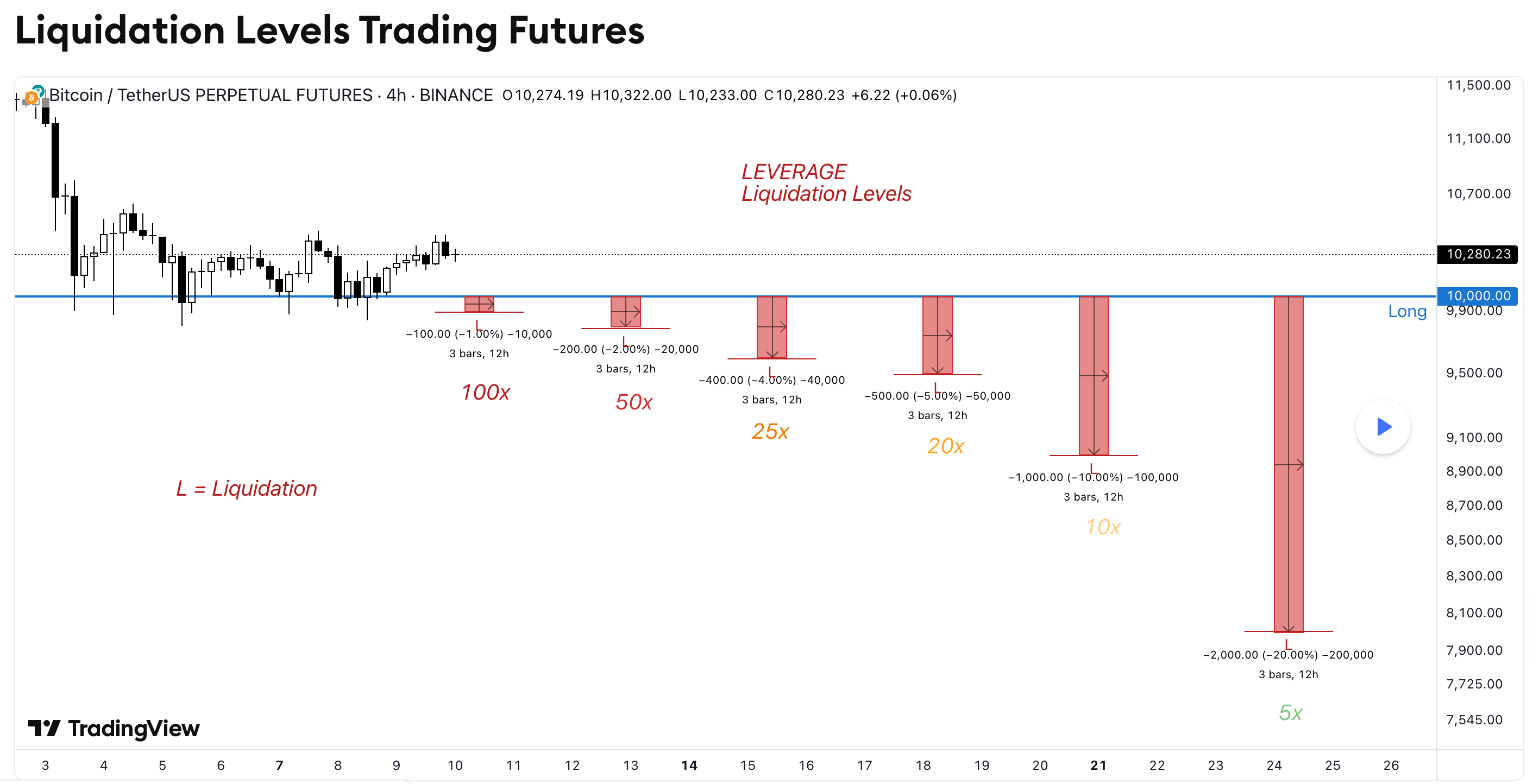
The higher the leverage, the smaller the price move needed for liquidation.
For instance, with 10x leverage, an adverse move of roughly 8–10% can wipe out the entire margin, depending on fees and margin requirements. At 20x, liquidation may occur with a ~5% move [14].
To reduce liquidation risk, traders typically:
Use moderate leverage (2x–5x)
Keep a margin buffer above minimum requirements
Liquidation is not an exception – it is a built-in mechanism of leveraged crypto derivatives and the primary risk traders must manage.
Beginner’s Checklist: Staying Safe in Perpetual Futures
If you’re new to crypto perpetual futures, here’s a no-nonsense list to keep your capital intact:
Decide your risk per trade: Only use money you can afford to lose. Simple.
Set stop-losses: Let the system cut your losses before they become disasters.
Start small on leverage: Think 2x–5x, not 10x or 20x, until you get a feel for it.
Keep a trading journal: Write down every trade, why you took it, and what you felt. Over time, you’ll see patterns – and learn from mistakes you didn’t even realize you were making.
Separate your long-term crypto from trading funds: Your main holdings should stay in secure crypto custody; don’t risk them on short-term swings.
Following this checklist isn’t boring – it’s what keeps you in the game long enough to see real gains. Treat your trades like experiments, not guesses, and you’ll survive the wild swings of volatile crypto markets.
Smart Security: Safeguarding Your Assets with NOW Custody
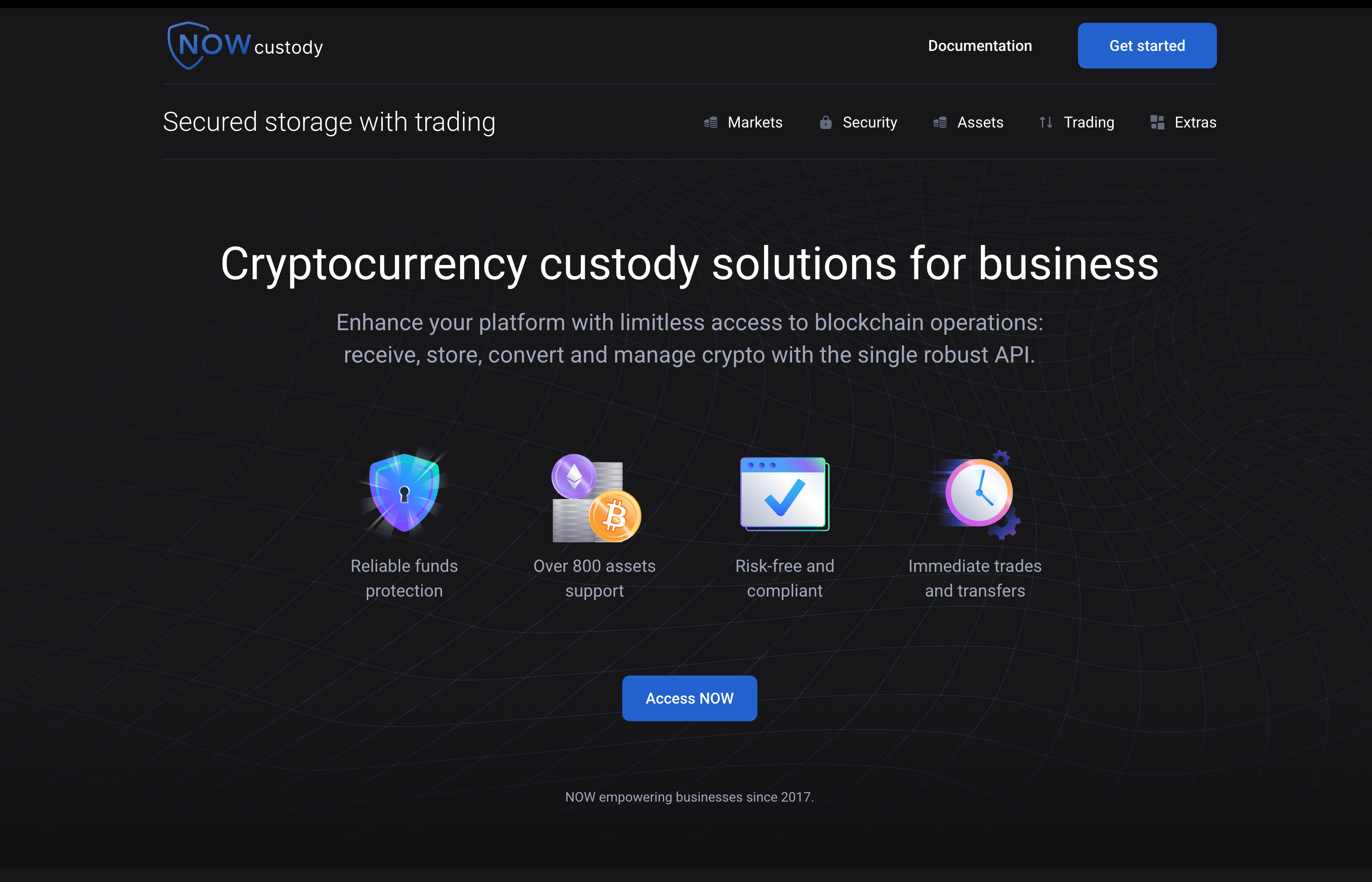
In addition to managing risk through proper trading strategies, securing your assets is equally crucial. With the volatility and potential for loss in the cryptocurrency market, NOW Custody provides a reliable, secure solution for holding and managing your crypto assets, ensuring they are protected no matter what happens in the market.
Smart Security to the Highest Financial Industry Standards
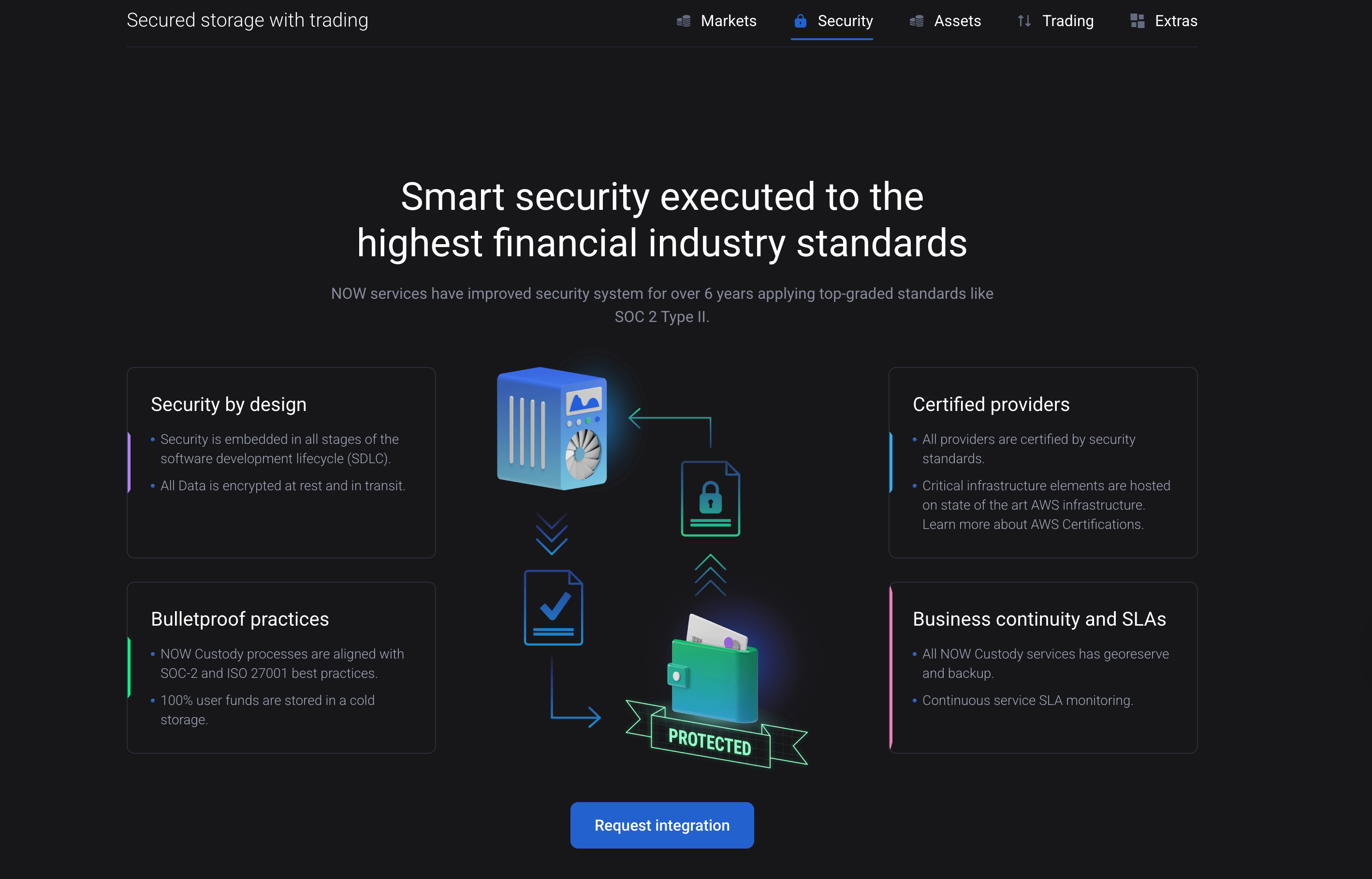
For over six years, NOW Custody has continuously improved its security protocols, aligning with the highest standards, such as SOC 2 Type II compliance. This ensures that your assets are always safeguarded by the best practices in the industry.
Security by Design: All data is encrypted at rest and in transit, and security is embedded at every stage of the software development lifecycle.
Cold Storage:100% of user funds are stored in cold storage, ensuring that your assets are protected from online threats.
Certified Providers: Collaborates only with providers that meet the highest security standards, hosted on AWS infrastructure with robust certifications.
Business Continuity and Compliance
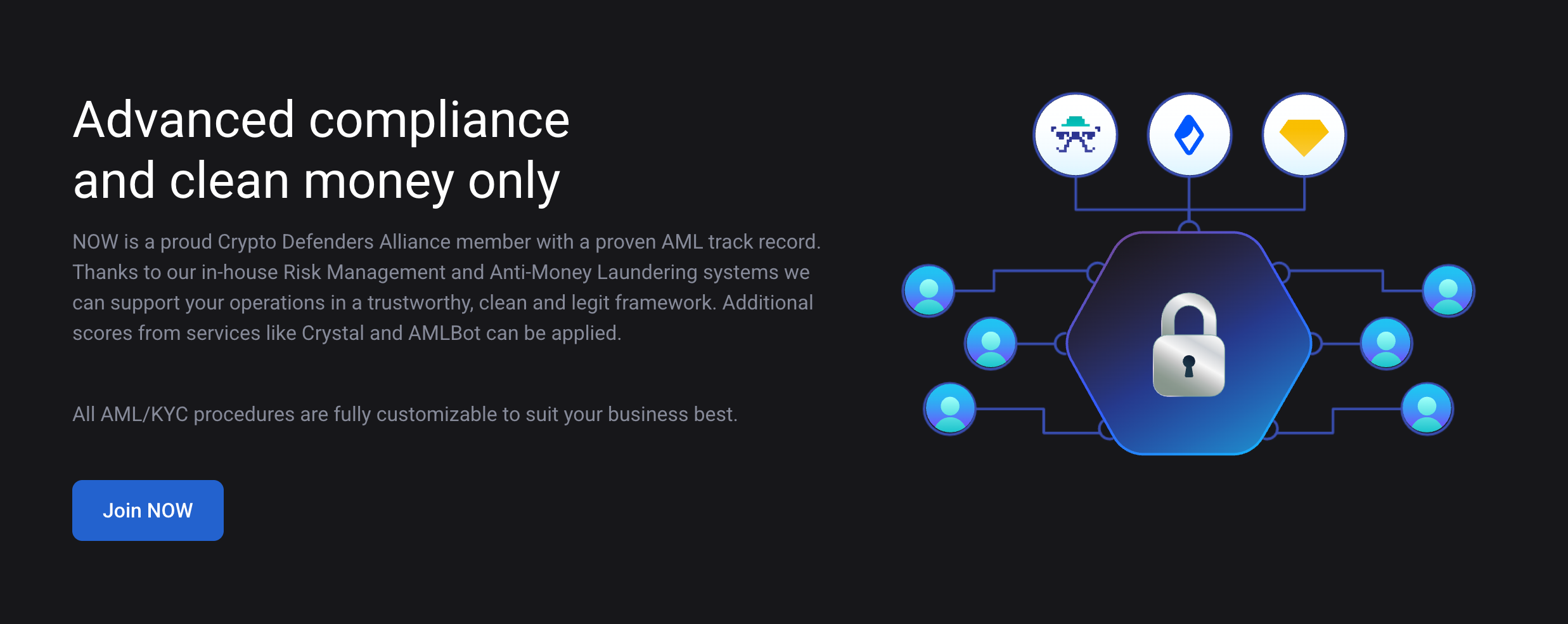
NOW Custody services are geo-redundant, with continuous monitoring of SLAs to ensure service reliability. Moreover, the platform follows AML/KYC procedures to ensure that your operations remain compliant and trustworthy, preventing fraud and ensuring a clean financial framework.
Why Use NOW Custody?
Using a secure custody solution like NOW Custody is essential for mitigating risks. By separating your trading capital from your long-term holdings, you ensure that your assets are protected in the most secure and compliant manner possible. This allows you to focus on trading while NOW Custody handles the secure storage and protection of your crypto.
Enhanced Compliance: NOW Custody follows AML and Risk Management standards, ensuring your funds are safe from fraud or mismanagement.
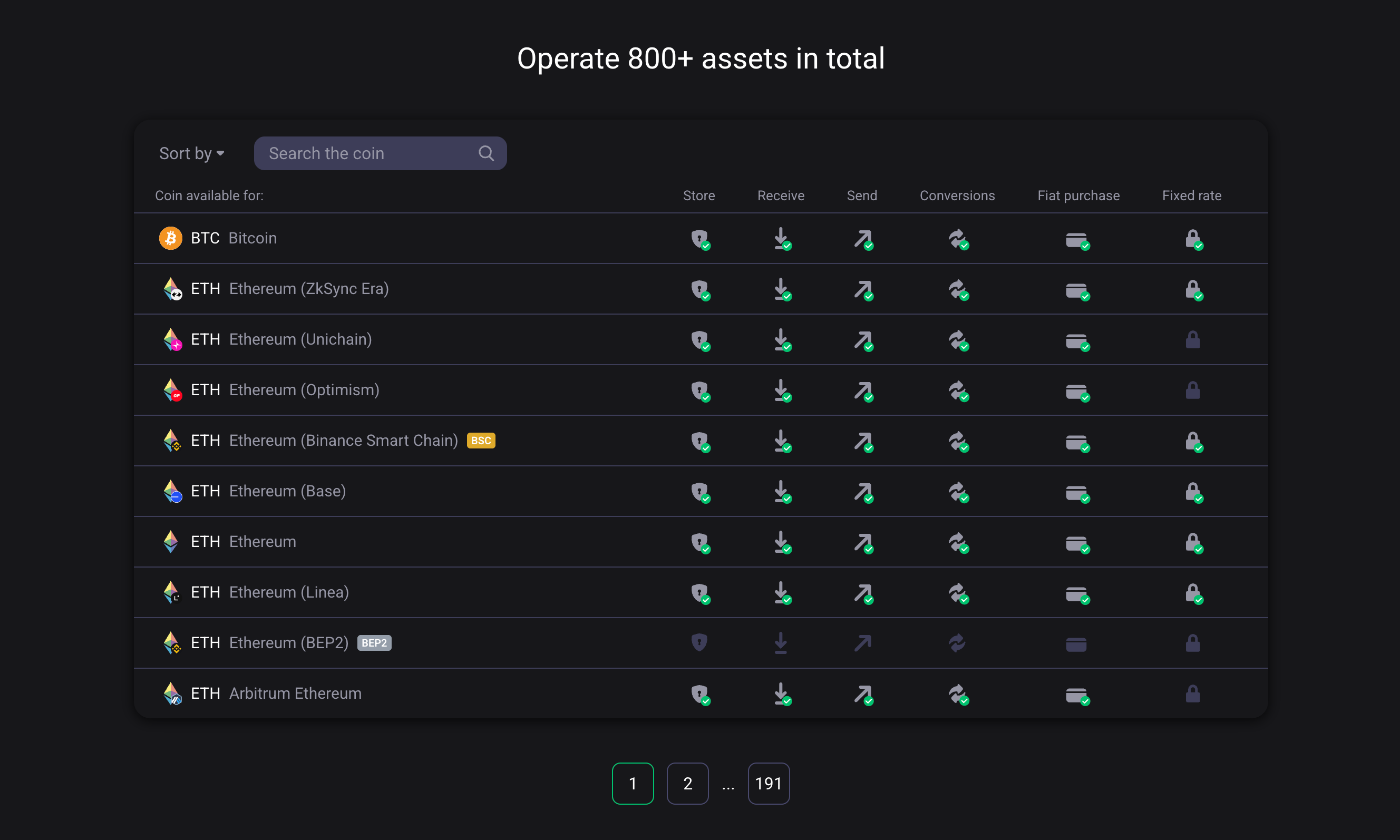
Access 800+ Assets: NOW Custody supports a wide range of cryptocurrencies, providing flexibility in managing diverse portfolios.
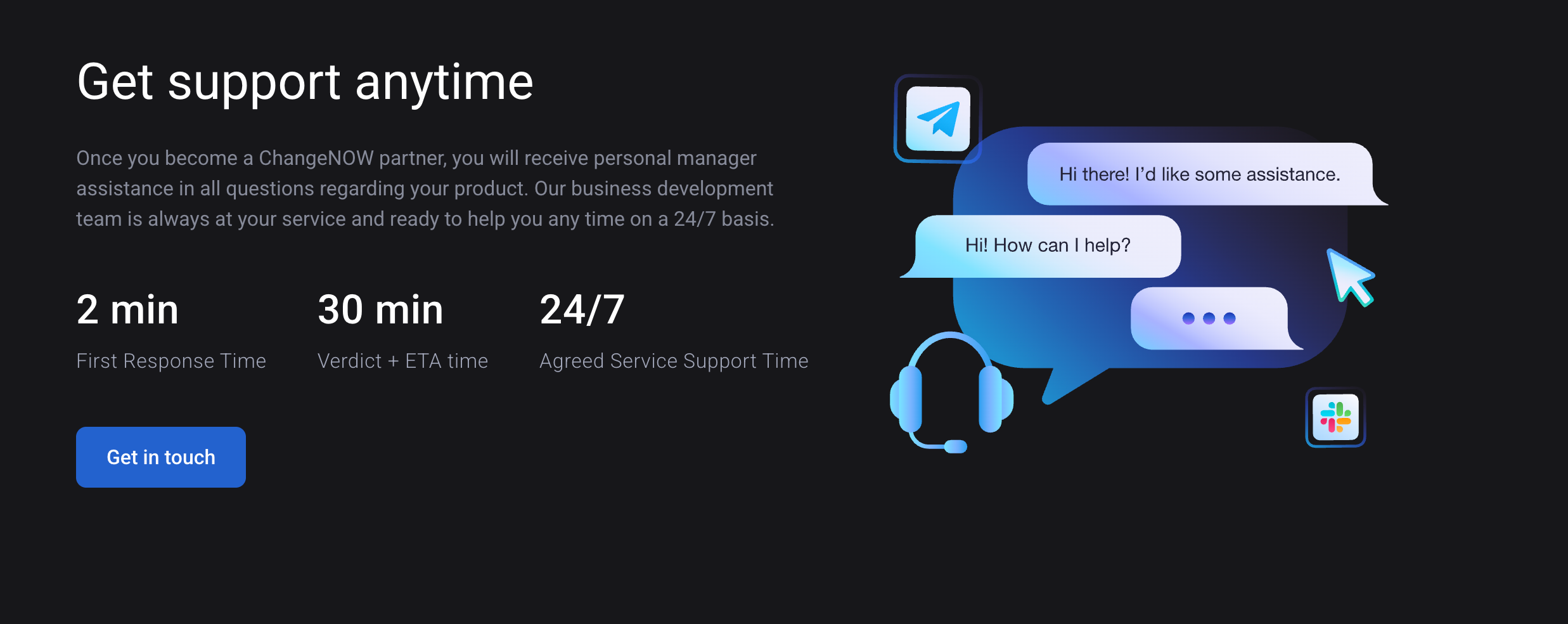
24/7 Real Human Support: With NOW Custody, you are never alone. You’ll receive real-time support from our team of experts, available 24/7 to assist you with any inquiries or concerns you may have.
Whether it’s a trading question or a security-related issue, the support team is always ready to help you anytime.
2-minute response time to ensure you’re never left waiting.
30-minute verdict and ETA time for resolving your issues.
**24/7 availability **so that help is always at your fingertips.
This round-the-clock assistance gives you the peace of mind to trade confidently, knowing that any challenge you face will be addressed swiftly by real people.
While NOW Custody ensures that your assets are secure, understanding the psychology behind trading is just as crucial. Perpetual futures can expose traders to amplified swings in market movements, which often leads to emotional decision-making.
Having covered NOW Custody, we can now take a closer look at ChangeNOW Pro.
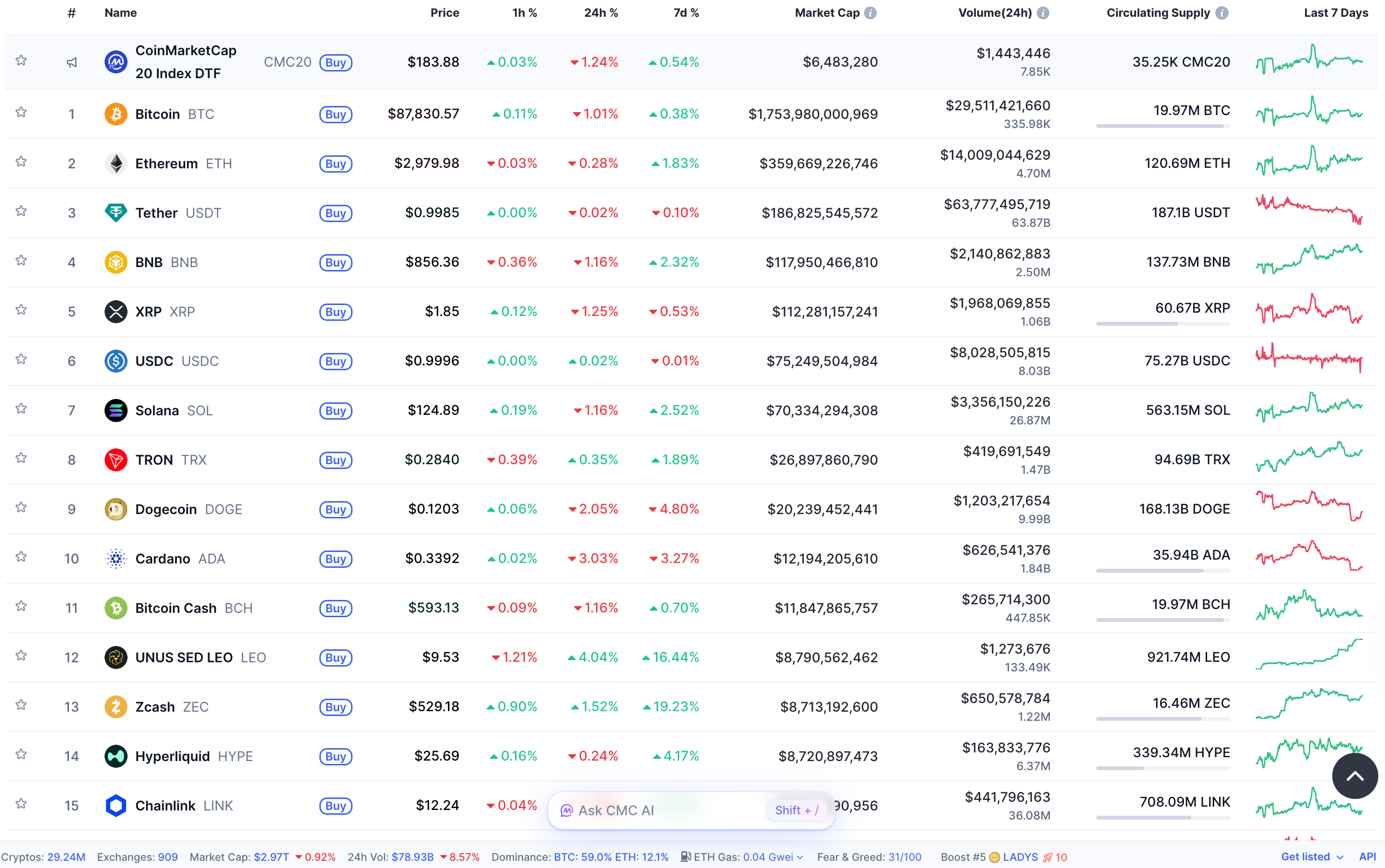
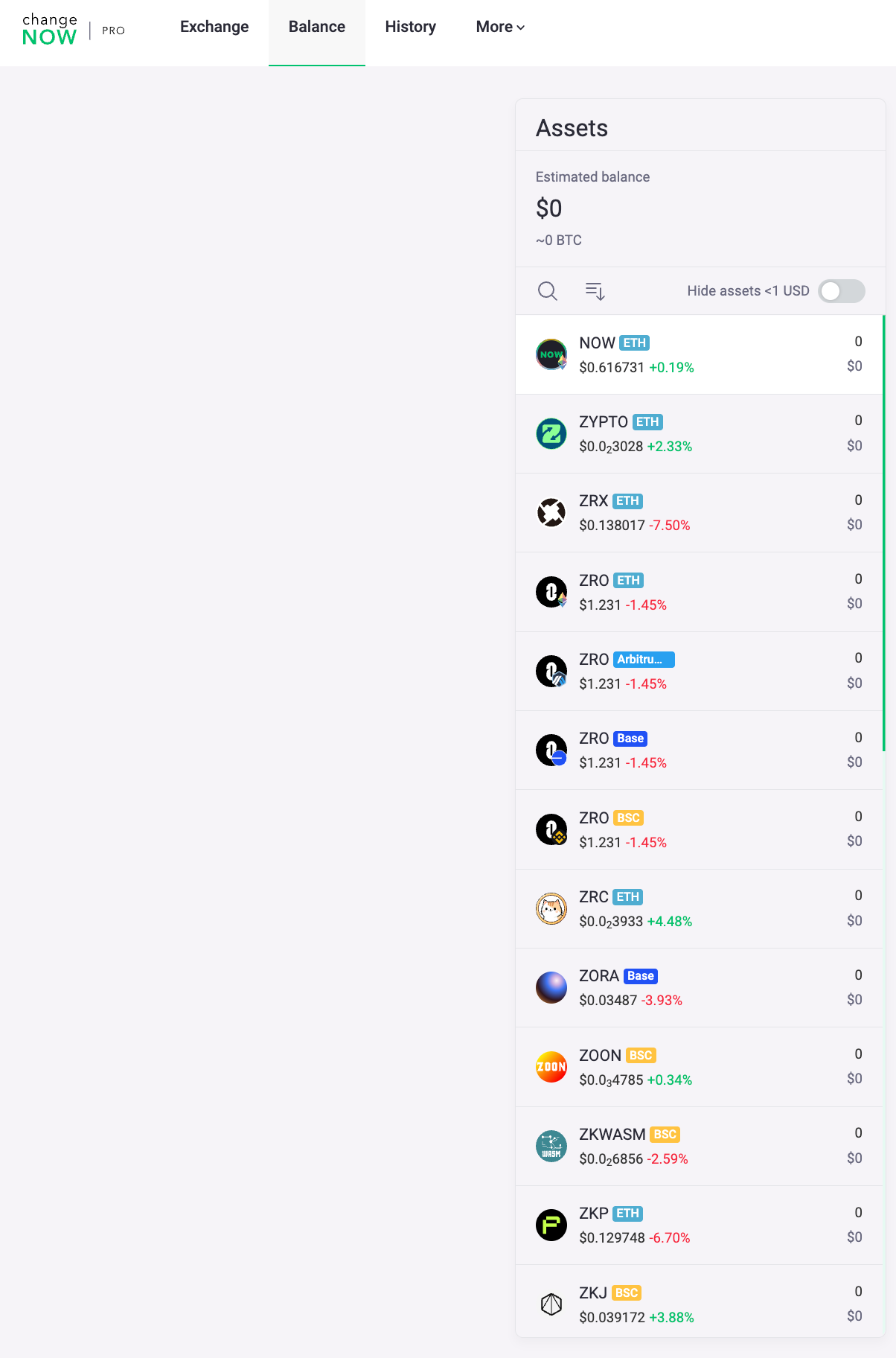
With ChangeNOW Pro, traders and businesses can manage their crypto assets in a secure and compliant environment. The platform supports 1,000+ assets, ensuring flexibility in managing diverse portfolios.
As shown in the screenshot below, ChangeNOW Pro allows users to easily view their assets and monitor real-time prices, giving users full control over their holdings.
Secure Crypto Custody: Store your assets with peace of mind.
Fully Regulated: Compliant with industry standards for enhanced security.
Instant Transactions: Swap crypto, buy with a card, and withdraw to any wallet, all in one platform.
The next section focuses on the psychology of perpetual futures trading.
The Psychological Dimension: Trading with Discipline
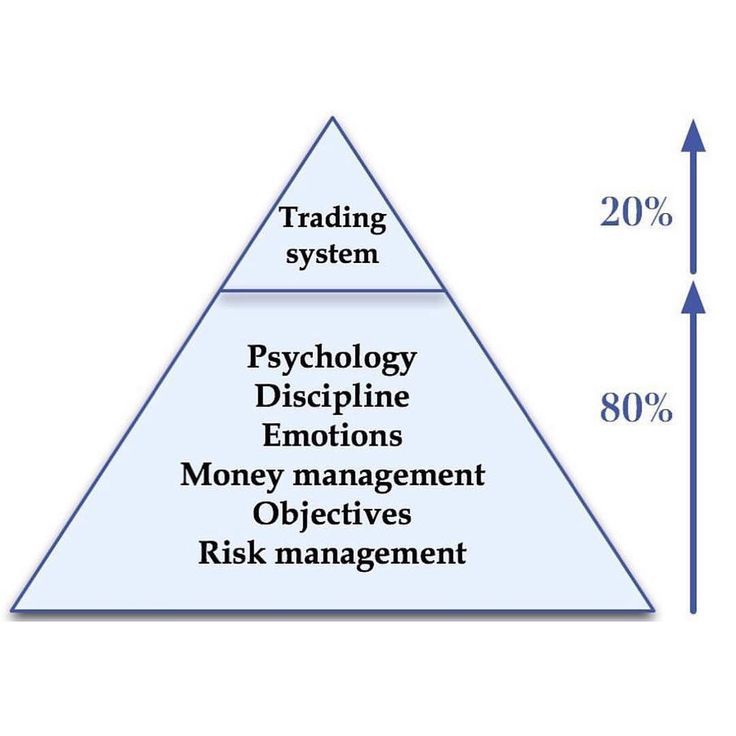
This is where most beginners lose money – not because of the market, but because of their behavior.
In perpetual futures, your biggest opponent is rarely the market – it’s your own reactions. Price moves are fast, amplified exposure is unforgiving, and emotional mistakes are amplified just as much as profits [15].
The most common traps traders fall into:
Revenge trading: increasing position size right after a loss in an attempt to “win it back”.
Overconfidence: relaxing risk rules after a profitable trade and assuming the next one will also work.
Analysis paralysis: overthinking every signal until the opportunity is already gone [15].
Staying in Control
Consistent traders don’t rely on intuition in the heat of the moment. They follow a process:
Defined risk–reward ratios before entering a trade
Hard limits on maximum loss per position or per day
Mandatory stop-loss orders, no exceptions
Keeping a trading journal helps spot repeating mistakes – not just in strategy, but in behavior. Over time, this discipline matters more than any indicator or setup.
Conclusion
Perpetual futures are a key part of today's crypto markets. Their value doesn't come from speculation itself but from their flexibility: they let you express directional views or hedge risk without owning the underlying asset, and they let you use your cash more efficiently.
These contracts also need to be structured. There isn't much opportunity for improvisation because of margin-based trading, funding payments, and market volatility. The same laws that make opportunities possible can easily turn into losses if there are no defined rules for position sizing, loss limitations, and risk control.
When used correctly, perpetual futures help with disciplined trading and managing a portfolio. Using carelessly, they make problems worse. The instrument's functionality defines its effectiveness.