


On July 4, Vitalik Buterin officially introduced "Lean Ethereum", the third major iteration of the Ethereum roadmap. The incoming upgrades will fundamentally rebuild the network's core architecture.
Markets responded almost immediately. ETH jumped over 12% within hours, reaching $1,777 mark. Daily trading volume rose alongside the price action.
So, what is “Lean Ethereum”? What changes does it imply? And how will this upgrade affect the future development of Ethereum?
Three Pillars of Lean Ethereum
Lean Ethereum is a massive, multi-year protocol overhaul. Vitalik Buterin compares its significance to the historic Merge. The core focus shifts to three main vectors.
Post-Quantum Security
Future supercomputers pose a real threat to blockchain networks. Current signature algorithms are not aging well in this context.
So, Ethereum will shift to hash-based, quantum-resistant cryptography. This proactive move hardens the network and protects user funds long before quantum computing becomes a practical danger.
Scaling via STARKs
The network currently forces every node to recalculate every transaction. This approach works fine but kills speed. Lean Ethereum fixes this by using recursive STARKs - lightweight cryptographic proofs.
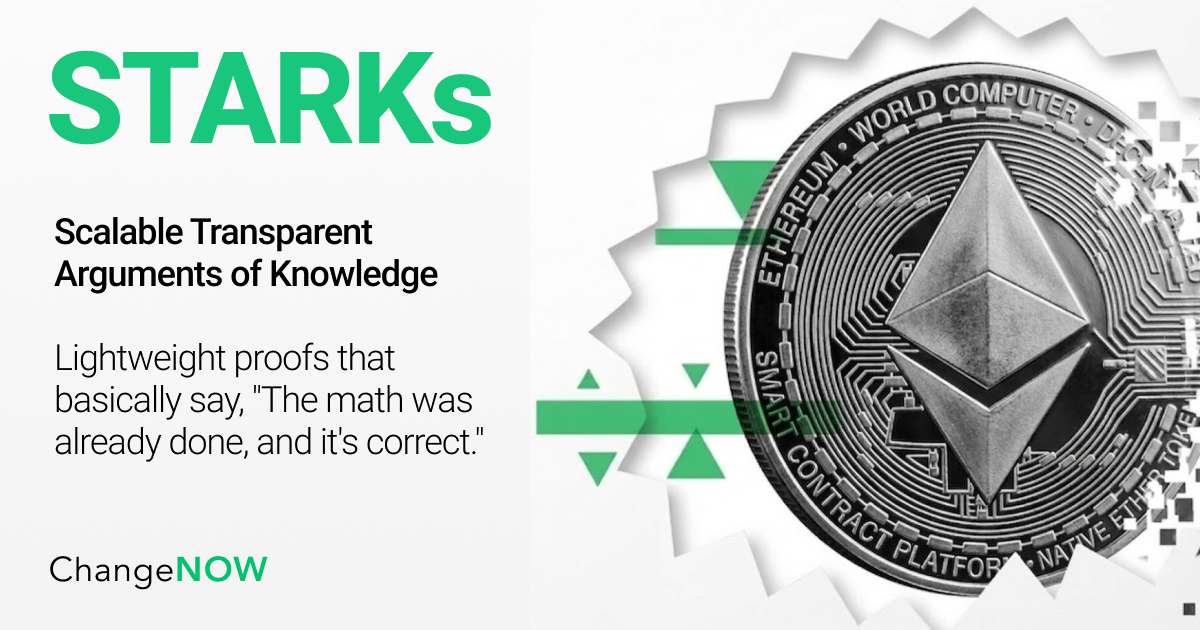 Nodes can just look at the proof and move on. And as a bonus, the specific math behind STARKs makes them immune to quantum computer hacks.
Privacy for Validators
The update introduces ZK-unlinkable staking. This feature allows validators to participate in network consensus. They can perform their duties without publicly exposing their transaction history on-chain.
A Quick Flashback to the Beginning
Lean Ethereum did not happen overnight. The network has been building up to this point for years. The groundwork started back in 2022 when Ethereum officially shifted to Proof-of-Stake.
Since then, the developers have rolled out consecutive upgrades. Each one brought specific changes to the table:
- Pectra (May 2025): This upgrade increased initial blob capacity. It gave L2 networks more room to store temporary data.
- Fusaka (December 2025): A massive infrastructure update. It introduced PeerDAS, fundamentally changing how validators process data.
- Glamsterdam (Mid 2026): This update pushed things further. It scaled network throughput and helped ease overall bottlenecks.
- Hegota (Upcoming, Late 2026): This is the final hard fork before the Lean era actually begins. It focuses heavily on censorship resistance and strengthens the network to ensure nobody can arbitrarily block transactions.
ETH Price Reaction
You might expect these solid technical wins to instantly pump the price. However, that was not what happened. ETH actually underperformed through the first half of 2026. The coin was stuck trading in a range between $1,700 and $2,100.
The breakout only happened when Vitalik finally laid out the grand vision for Lean Ethereum. The price aggressively broke the $1,750 resistance right after the announcement.
If you want more detail and expert takes on where ETH price could go next, check our ETH Price Prediction article.
What Changes with Lean Ethereum
Lean Ethereum makes the network faster, lighter, and way less annoying to use.
- Ethereum is about to get seriously fast. We're talking 10,000 TPS on the base layer, and up to a MILLION per second once you factor in L2.
- Painful waiting is over. Users will no longer wait minutes for transaction confirmations. Upgrades to the consensus layer aim to deliver near-instant finality.
- You won't need a supercomputer to trust the chain. Verifying the network currently takes serious hardware. Soon you’ll be able to verify the network from your phone or web browser.
- Devs don't have to re-learn anything. The new post-quantum data structure (aka "blobs") slots in smoothly with a soft click not breaking the dev experience people already know.


