Key takeaway:The best crypto ETFs for most people are the big spot funds from BlackRock, Fidelity, and Grayscale. The right pick depends on what matters more to you: size, fees, or the coin inside.
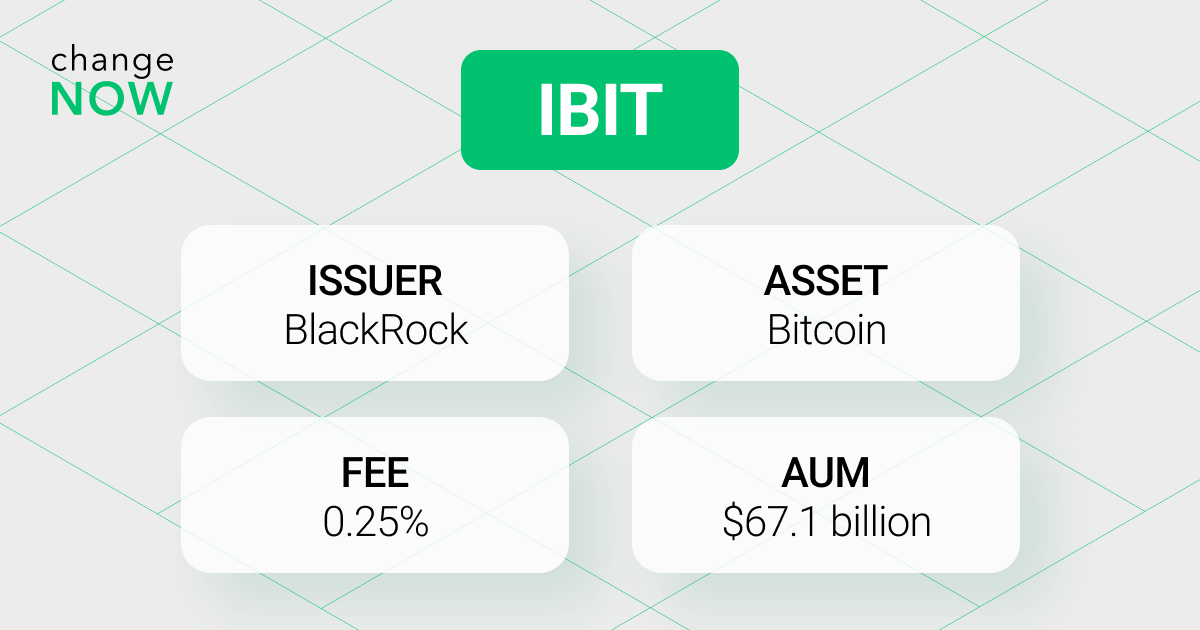
Best overall: IBIT or iShares Bitcoin Trust. The largest crypto ETF by assets, with the deepest trading volume.
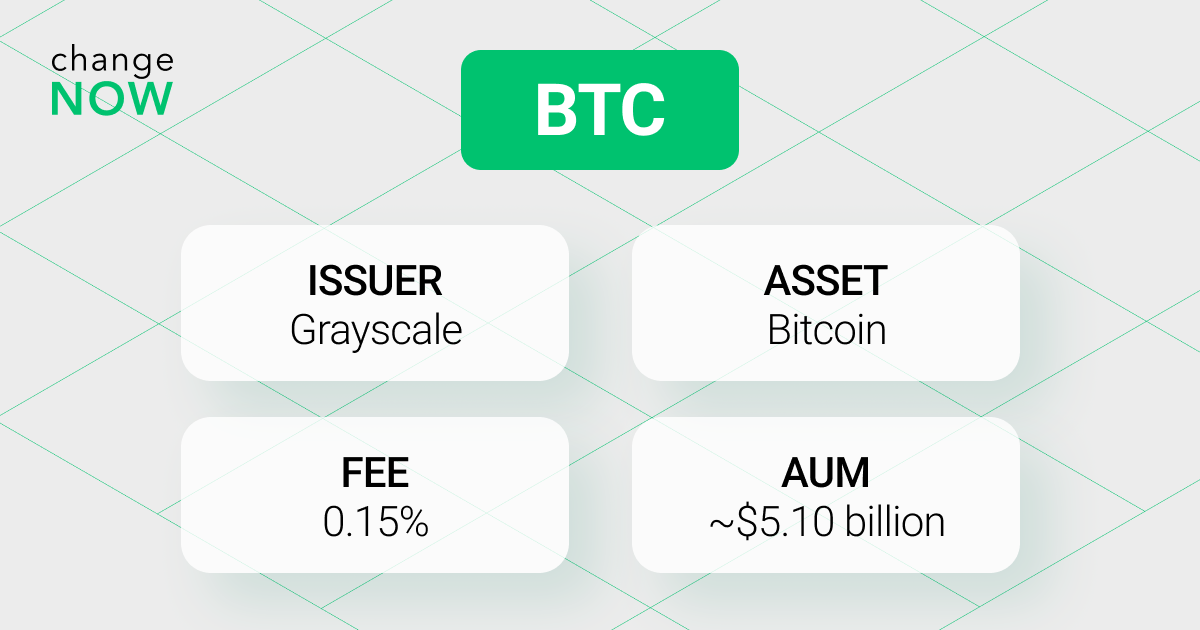
Best for low fees: BTC or Grayscale Bitcoin Mini Trust. The lowest expense ratio among spot Bitcoin ETFs, at 0.15%.
Best for altcoin exposure: spot Solana and XRP ETFs. A newer, smaller corner of the market, with the volatility to match.
Disclaimer:The information provided in this article is for educational and informational purposes only and should not be construed as financial or investment advice. Rankings are based on publicly available data and a fixed set of criteria at the time of writing, not a personal endorsement of any single platform. Platform fees, features, and policies are subject to change. Readers should conduct their own research and verify details on the official platforms before making any decisions.
Crypto ETFs are a new thing for many investors. There are dozens of crypto exchange-traded funds now and their names often read like someone has sneezed on the keyboard: IBIT, FBTC, GBTC, ETHA, and dozens of others.
Seems like only god knows what those mean but that’s not true - we know that too.
So, let us shine some light on this cryptic matter: why bother investing in ETFs, what are the best options out there, what are the risks and are crypto etfs worth it at all.
Key Terms You Need to Know
ETF or exchange-traded fund - It’s a fund that trades on a stock exchange like a regular share. A crypto ETF follows the price of one or more cryptocurrencies.
Spot ETF - Holds the actual coins, which a custodian keeps in storage.
FAQ
No single fund wins on every measure. IBIT is the largest crypto ETF, with $67.1B in assets. Grayscale’s BTC has the lowest fee on our list at 0.15%. ETHA leads for Ethereum. To see which funds are drawing money, check our ETF inflows data.
A crypto ETF is a fund that trades on a stock exchange and follows the price of one or more cryptocurrencies. Spot funds hold the coins with a custodian. Futures funds hold contracts instead. Shares trade through a brokerage account like any other ETF.
They remove wallet and private key risks, and they trade on regulated exchanges. Price risk stays in full. A Bitcoin fund falls when Bitcoin falls, and altcoin funds can fall further. Position size matters more than the wrapper, and our Risks section covers the rest.
On our list, Grayscale’s BTC (Bitcoin Mini Trust) at 0.15%, or $15 a year per $10,000. BITB follows at 0.20%, and IBIT and FBTC charge 0.25%. Issuers adjust fees from time to time, so confirm the current number on the fund’s website.
You need a brokerage account that offers them. Search the ticker, pick a number of shares or a dollar amount, and place the order. Many brokers support fractional shares, which lowers the minimum. Not every broker lists every fund, so check availability first.
Often yes. Spot crypto ETFs trade like regular ETFs, so many brokers allow them in traditional and Roth IRAs. Availability depends on your broker and account type. Tax treatment follows your IRA’s rules. Your broker or a financial advisor can confirm the details.
Spot funds generally don’t. Coins like Bitcoin produce no income, so the fund has nothing to pass along. Some futures-based and income-focused funds do make distributions. The fund’s page shows its payout history.
In the US, selling shares at a profit is generally a taxable event. The gain counts as short-term if you held the shares for a year or less, and as long-term after that. Funds that pay distributions add taxable income. Rules differ by country and account type, so a tax professional can confirm your case.
Start with who runs the fund and how long it has operated. Then compare the expense ratio, assets under management, and whether the fund is spot or futures-based. Check who holds the coins. Our selection criteria show how we apply these checks.
They serve different goals. An ETF gives you the price inside a brokerage account. Coins give you ownership, round-the-clock trading, and control, along with the job of managing wallets and keys. Our comparison of crypto and crypto ETFs breaks it down.
Futures ETF - Holds futures contracts on a coin instead of the coin itself.
AUM or assets under management - The total value of everything a fund holds.
Expense ratio - The annual fee, charged as a percentage of your investment.
Tracking error. The gap between a fund’s return and the price of the asset it follows.
Net flows. Money coming into a fund minus money leaving it.
IRA or individual retirement account - A US tax-advantaged retirement account. Some brokers allow ETFs inside it.
How We Built the Best Crypto ETFs List
We checked five things that decide what a fund costs, how easily it trades, and how closely it follows the coin.
Expense ratio. The annual fee comes out of your returns whether the price goes up or down. A 0.25% fee costs $25 a year per $10,000.
Size and liquidity. Bigger funds usually trade with tighter spreads. AUM and daily volume show how smoothly a fund trades.
Tracking. A spot fund holds the actual asset. A futures fund holds contracts, which adds roll costs and a looser link to the price.
Issuer and custody. We looked at who runs the fund and who keeps the coins safe. A long track record in ETFs counted in the issuer’s favor.
Flow history. Steady ETF inflows mean investors keep adding to a fund. Heavy ETF outflows are worth a closer look.
The ranking mixes all five criteria, so the top fund isn’t always the cheapest one.
Crypto ETFs List at a Glance
Ticker
Issuer
Asset
Expense ratio
AUM
Best for
IBIT
BlackRock
Bitcoin
0.25%
$67.1B
Size and liquidity
FBTC
Fidelity
Bitcoin
0.25%
$14.31B
Fidelity accounts
BTC
Grayscale
Bitcoin
0.15%
$5.10B
Lowest fee
BITB
Bitwise
Bitcoin
0.20%
$3.01B
Mid-size, lower fee
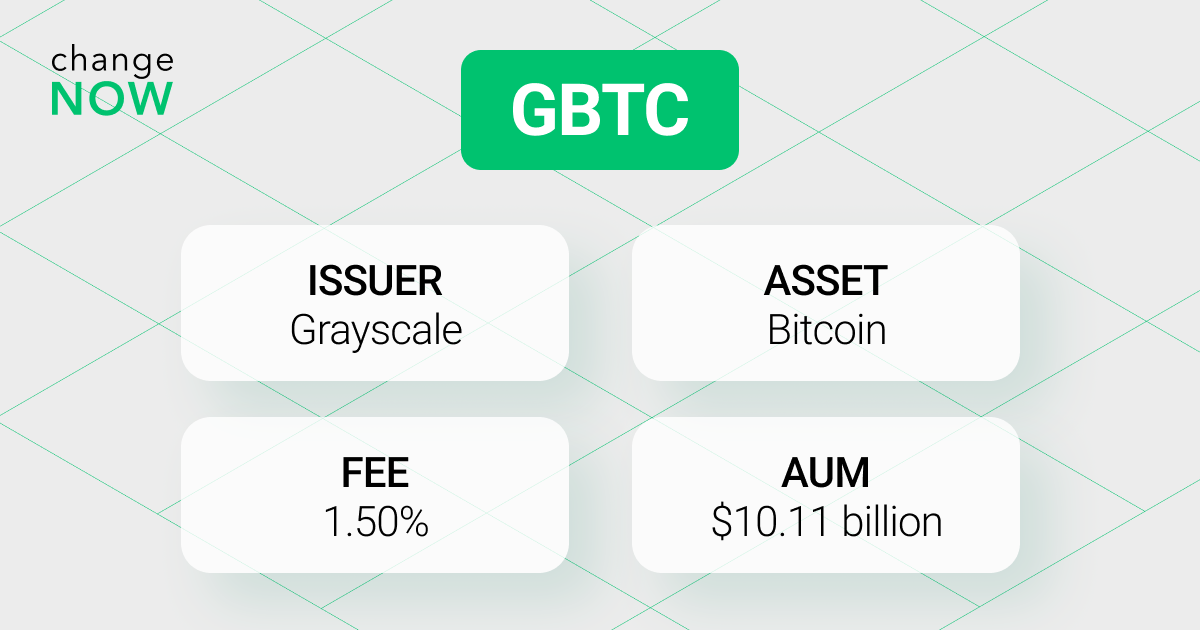
GBTC
Grayscale
Bitcoin
1.50%
$10.11B
Existing holders
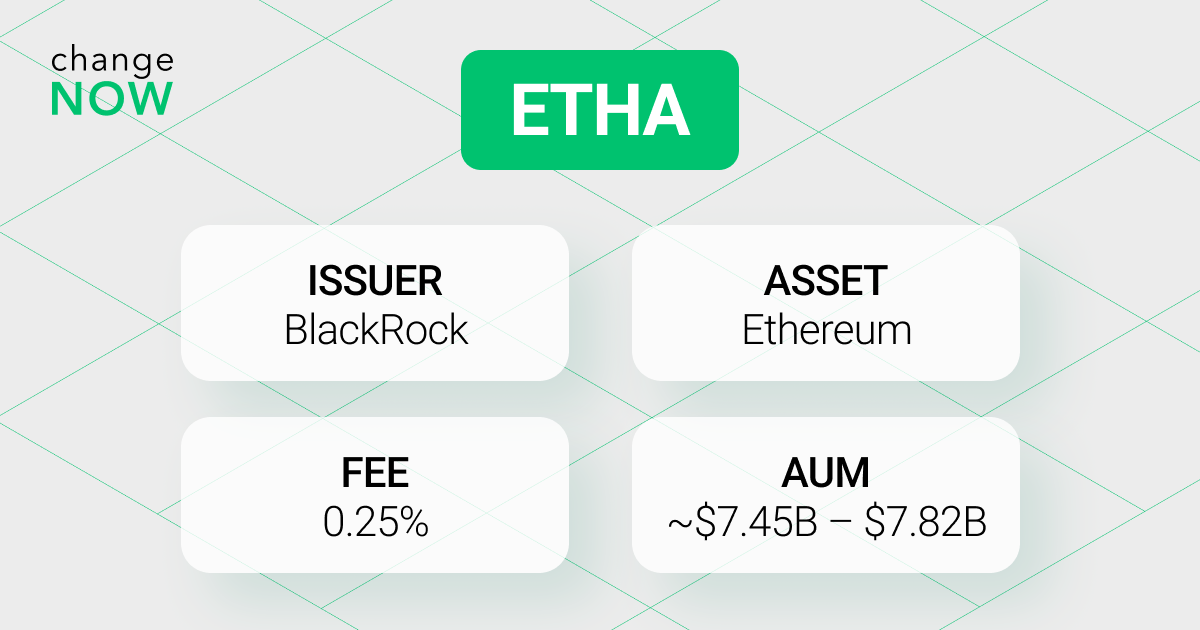
ETHA
BlackRock
Ethereum
0.25%
$7.45B to $7.82B
Ethereum exposure
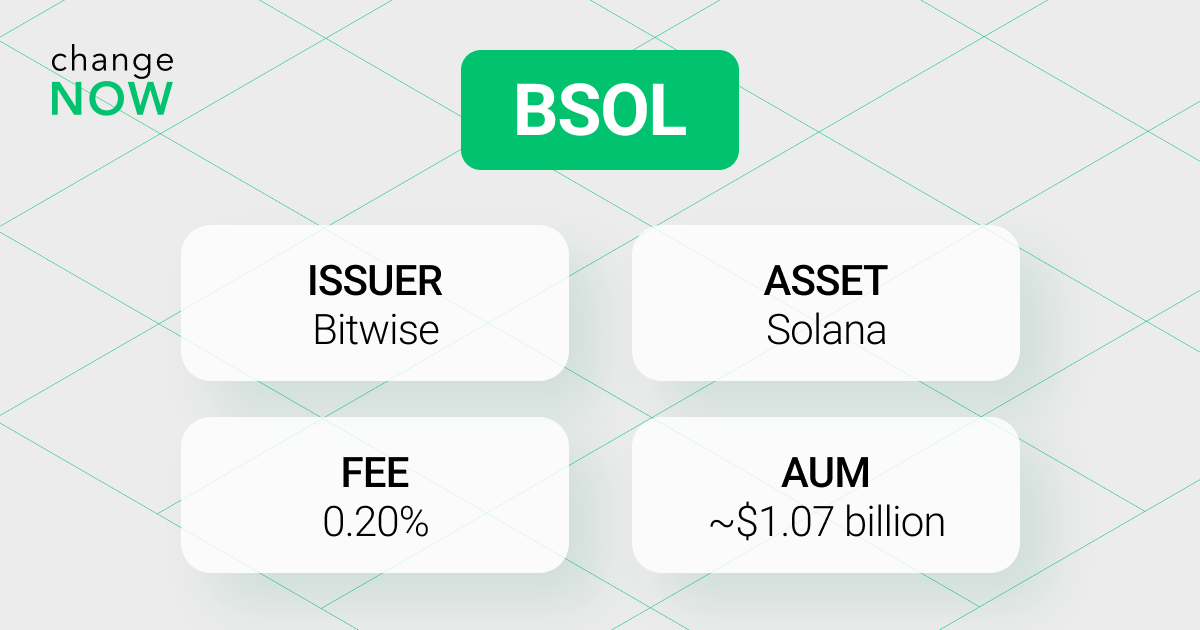
BSOL
Bitwise
Solana
0.20%
$1.07B
Solana with staking
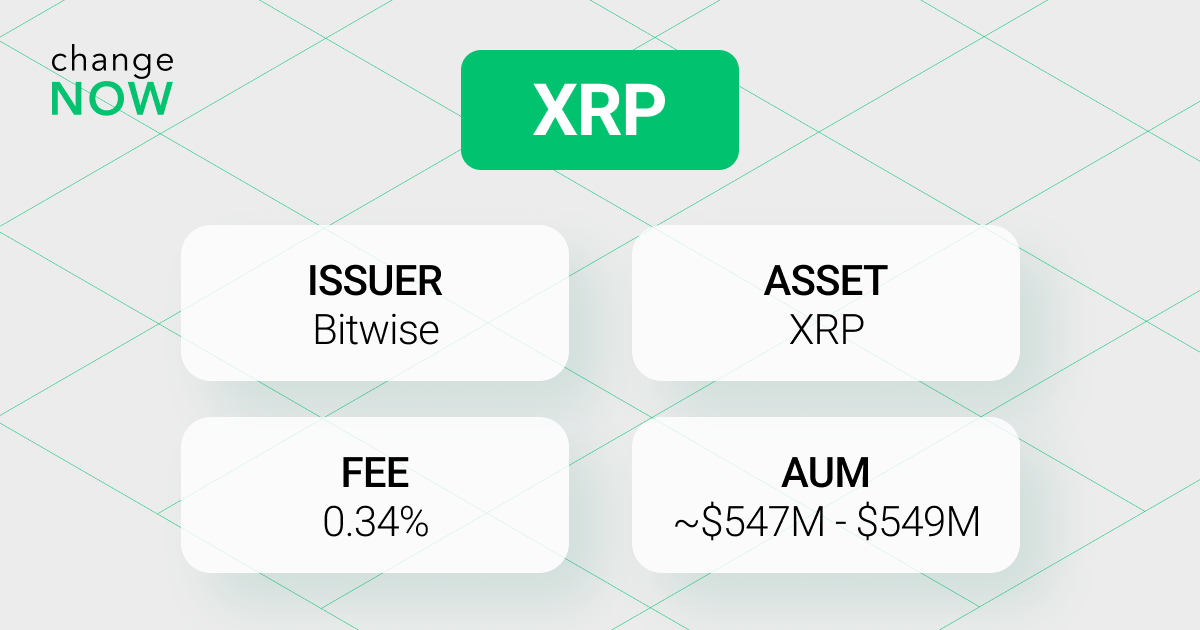
XRP
Bitwise
XRP
0.34%
$547M to $549M
XRP exposure
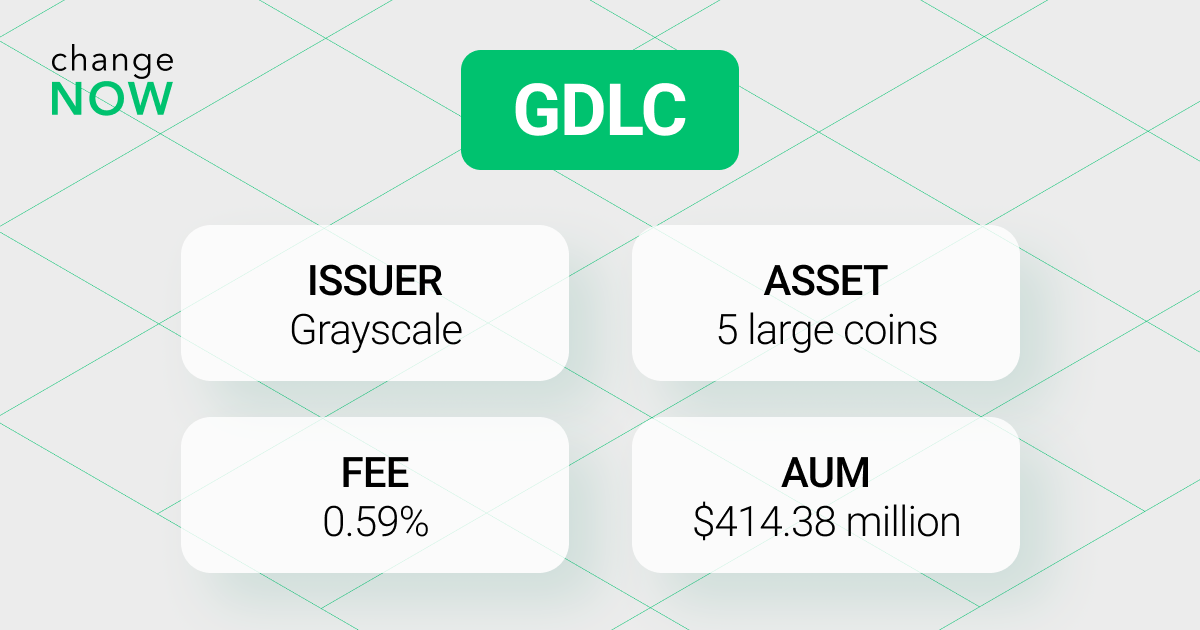
GDLC
Grayscale
5 large coins
0.59%
~$414M
One-ticker basket
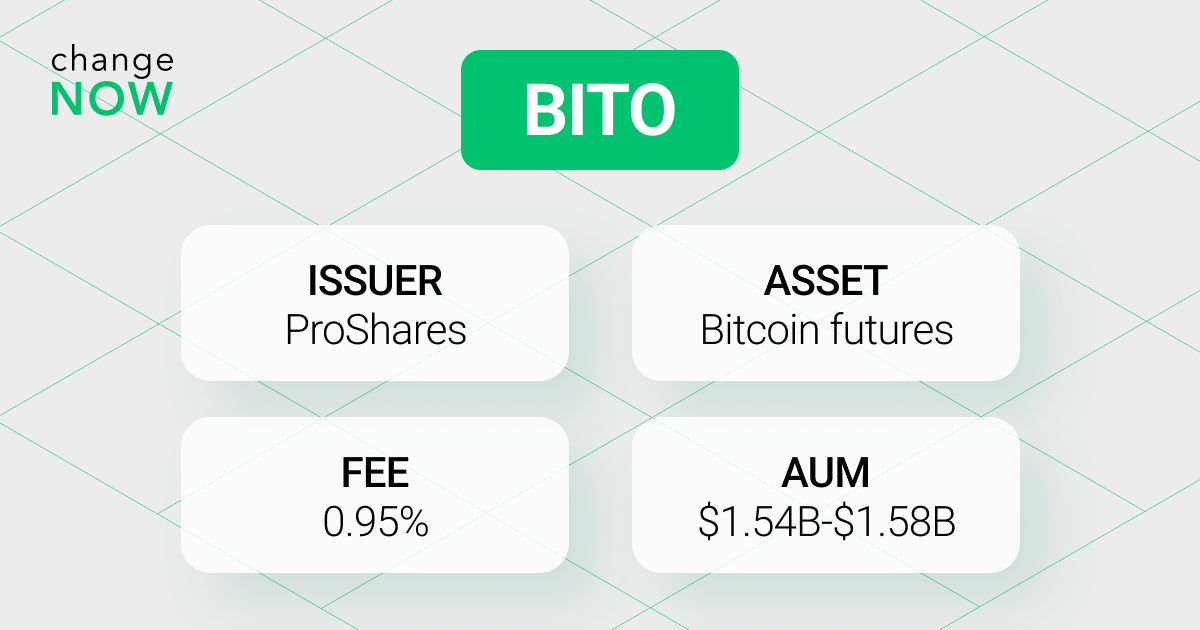
BITO
ProShares
Bitcoin futures
0.95%
$1.54B to $1.58B
Futures-based exposure
Data as of Oct 30, 2026. Fees and AUM come from issuer websites.
10 Best Crypto ETFs
Bitcoin funds come first, then Ethereum, altcoins, a basket fund, and one futures fund.
Here’s the ranking of 10 best crypto ETFs out there.
1. IBIT, Best Overall
IBIT is BlackRock’s spot Bitcoin ETF and the largest crypto ETF in the world. It holds roughly four times the assets of the next-largest Bitcoin fund. Big size means deep trading volume and tight spreads.
Pros
Largest and most liquid crypto ETF
An issuer most people already know
Cons
The 0.25% fee is higher than several rivals
Best for: Investors who put size and liquidity first.
2. FBTC, Best for Fidelity Accounts
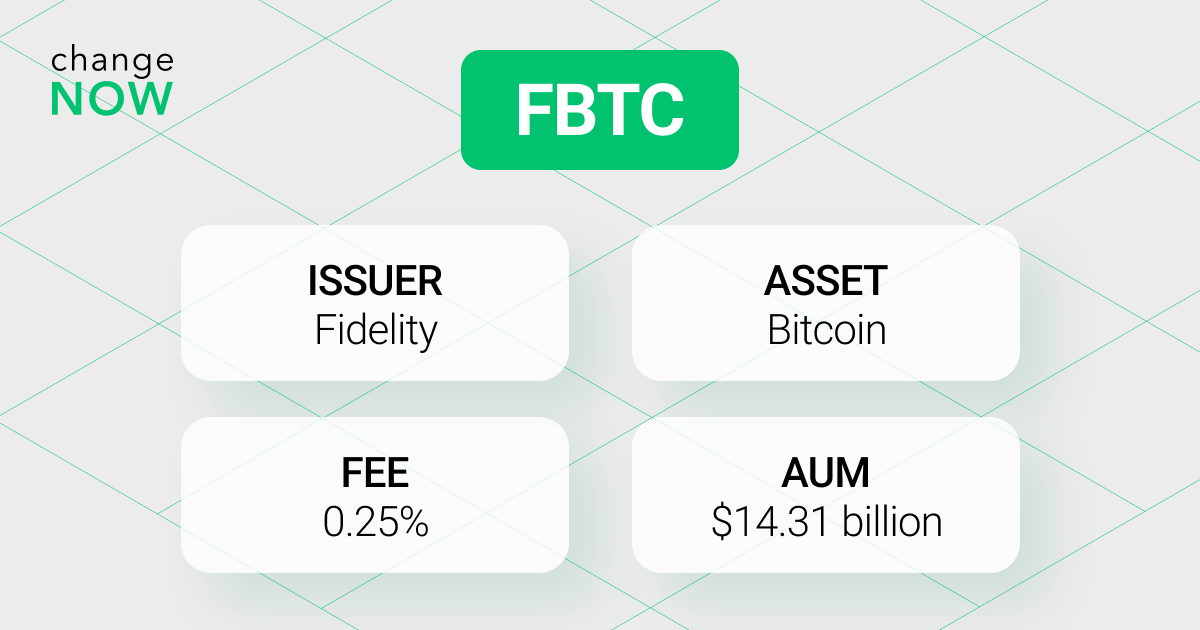
FBTC is Fidelity’s spot Bitcoin ETF and usually ranks second by assets. Fidelity keeps the coins in its own custody instead of handing them to a third party.
Pros
Same 0.25% fee as IBIT
In-house custody
Easy to hold in a Fidelity brokerage account
Cons
Smaller than IBIT
Best for:Fidelity brokerage users.
3. BTC, Lowest Fee
BTC is the Grayscale Bitcoin Mini Trust, a cheaper alternative to the older GBTC. On $10,000, the fee comes to $15 a year against $25 at IBIT.
Pros
Lowest fee among spot Bitcoin ETFs
Same Bitcoin price exposure as the big funds
Cons
Fewer assets than IBIT and FBTC
The ticker matches the coin’s name, so double-check which one you’re looking at
Best for:Fee-conscious long-term holders.
4. BITB, Best Mid-Size Option
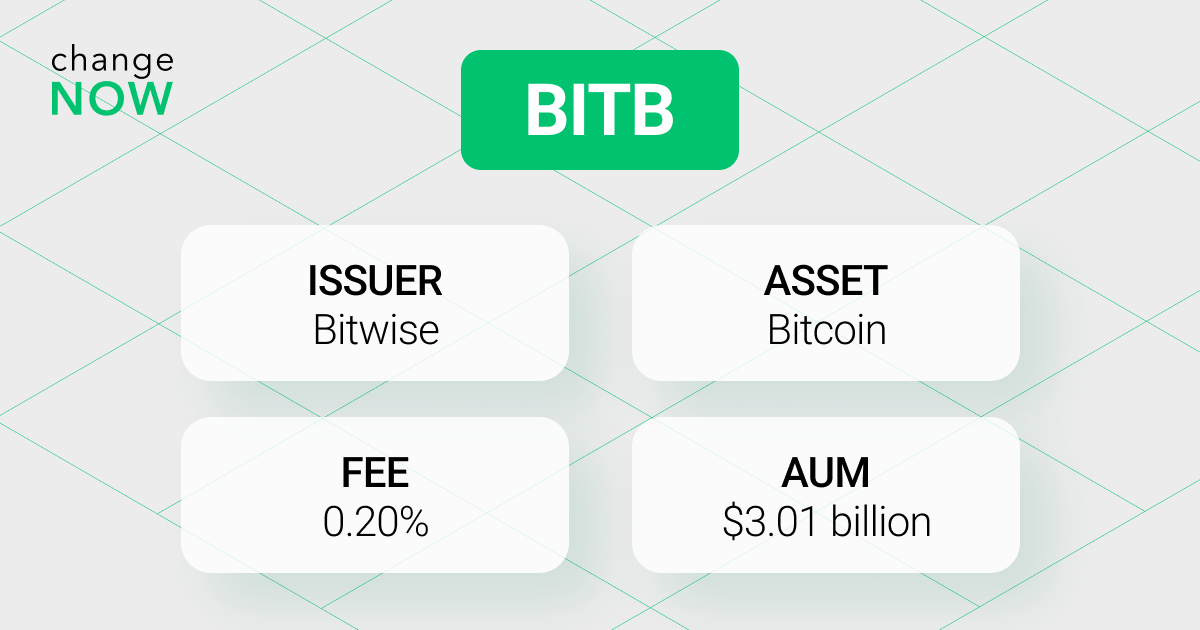
BITB sits between the low-fee Mini Trust and the two giants. Its 0.20% fee undercuts IBIT and FBTC, and Bitwise is an issuer that focuses on crypto.
Pros
Lower fee than IBIT and FBTC
Crypto-focused issuer
Cons
Fewer assets than the leaders
Best for:Fee-conscious readers who still want an established fund.
5. GBTC, The Vintage Pick
GBTC is Grayscale’s original Bitcoin trust, around since 2013. It became an ETF in January 2024 and charges far more than newer funds. Many holders left after the conversion, which is why GBTC keeps showing up in ETF outflows data.
Pros
Large and liquid
Longest history on the list
Cons
The 1.50% fee costs $150 a year per $10,000
A record of heavy outflows
Best for:Existing holders weighing whether to stay.
Spot ETFs track the price, but you don’t own any coins. If you’d rather hold BTC itself, it’s available on ChangeNOW.
6. ETHA, Best for Ethereum
ETHA is BlackRock’s spot Ethereum ETF and the largest fund in its category. Ethereum ETFs hold about a fifth of all crypto ETF assets, so trading is thinner than in Bitcoin funds.
Pros
Largest Ethereum ETF
BlackRock’s scale and name
Cons
Ethereum tends to swing harder than Bitcoin
Less trading depth than the big Bitcoin funds
Best for:Ethereum exposure from a familiar issuer.
7. BSOL, Best for Solana
BSOL is the first US spot Solana ETF, launched in October 2025. It holds SOL and stakes it, which can add rewards on top of price moves. Most Solana ETF inflows go to BSOL.
Pros
Largest Solana ETF
Staking built in
Fee on par with the cheaper Bitcoin funds
Cons
Barely a year of history
SOL swings harder than Bitcoin
Best for:Solana exposure with staking included.
8. XRP, Best for XRP
The Bitwise XRP ETF trades under the ticker XRP, same as the coin. It launched in November 2025 and reached $500 million in assets within nine months. XRP ETF inflows have been steady since launch.
Pros
Established, crypto-focused issuer
Fast asset growth since launch
Cons
Higher fee than most Bitcoin funds
Young fund and a volatile coin
Canary’s XRPC and Franklin Templeton’s XRPZ compete for the same spot, so compare all three.
Best for:XRP exposure from a crypto-focused issuer.
Want the coins themselves? ETH, SOL, and XRP are all on ChangeNOW.
9. GDLC, Best for a Basket
GDLC tracks the five largest and most liquid coins in a single ticker. Grayscale rebalances this mix every quarter.
As of October 2026, the contents of the basket look like this:
Bitcoin: ~74% to 75% of the portfolio
Ethereum: ~13% to 14%
BNB: ~4.5%
Ripple: ~4%
Solana: ~3%
Pros
Five coins in one fund
No need to pick a single winner
Cons
The 0.59% fee is more than double IBIT’s
Bitcoin still dominates the mix
Net ETF outflows over the past year
Best for:Readers who don’t want to pick one coin.
10. BITO, Handle With Care
BITO launched in 2021, before spot Bitcoin ETFs existed. It holds futures contracts, not coins. Contracts expire and get replaced, and the cost of replacing them can pull returns below Bitcoin’s own.
Pros
Long track record
A familiar ticker
Cons
The 0.95% fee is the highest on the list besides GBTC
Roll costs
Can trail Bitcoin’s price
Best for:Readers who specifically need futures-based exposure.
ETF vs. Buying Crypto Directly
On one hand, an ETF can give you the price inside a regular brokerage account. On the other hand, coins give you the asset itself, to hold and move as you like.
Is a crypto ETF safer than holding crypto?
The ETF removes the wallet, but the price chart still stays in that package.
Here is what an ETF removes from the agenda:
No wallet to manage. The fund’s custodian holds the coins.
No private keys to lose. Again, a custodian is guarding your coins for you.
No separate crypto platform. The fund sits neatly in your brokerage account next to your other tickers.
Regulated structure. ETFs trade on regulated exchanges and follow reporting rules.
Here’s what stays:
The price risk. A Bitcoin ETF falls when Bitcoin falls.
The single-asset bet. A spot Bitcoin ETF holds one coin. Only index funds like GDLC hold a basket.
Position size shapes most of the risk. Many people keep crypto to a small slice of the portfolio, an amount they could watch go up, down, or vanish.
Сrypto ETF vs actual crypto: What you get
An ETF puts crypto price exposure inside a regular brokerage account. It trades on stock exchange hours like any other ticker, and some brokers allow it in an IRA.
Coins give you the asset itself. You can send, store, or use them, and crypto markets don’t close on weekends. Wallets, keys, and backups are yours to manage.
Bitcoin’s supply is capped at 21 million, and some holders treat it as a hedge against inflation, so they tend to want the coins themselves, not a fund share. If owning the coins is the point, ChangeNOW covers that route, with card purchases and swaps between coins.
Neither of the options is completely free. It’s just the bills arrive at different moments. Small percentages add up when you hold for years.
Here’s the brief summary:
Cost
Crypto ETF
Actual coins
Annual fee
0.15% to 1.50% on our list
None
Trading cost
Brokerage commission, often $0
Spread and trading fee on the platform
Moving assets
Not applicable
Network fee when you send coins
Extra costs
Bid-ask spread, small on large funds
Wallet or custody costs, if you use a paid one
On $10,000, a 0.25% ETF fee comes to $25 a year. Tax treatment differs too - make sure to be mindful of that too.
Can you invest in both?
Well, nothing stops you, and plenty of people do.
They use ETFs for the part of the portfolio that lives in a brokerage or retirement account. They hold coins for the part they want to control directly.
Either way, check the downside before the first purchase. Bitcoin has dropped by more than half several times, and an ETF falls right along with it. Max drawdown, the biggest drop from a peak to a low, shows how deep those falls went. It’s worth a look for any fund on this list.
Risks of Crypto ETFs
Five risks worth knowing before a fund lands on your watchlist.
Altcoin funds swing harder
Bitcoin funds are volatile. Altcoin funds are even more volatile. The Bitwise XRP ETF lost about two thirds of its price in its first nine months, and its assets grew past $500 million anyway. Solana dropped around 40% in the first half of 2026.
Professionals change their minds too. Goldman Sachs cleared its Solana and XRP ETF positions in the first quarter of 2026, then rebuilt them in the second.
Hype does the most damage
Some of the costliest crypto mistakes start with an “expert” on X, a signal group, or a “to the moon” thread on Reddit.
Some of those voices have their self-interest: they hold the coin they’re promoting and need new buyers to prop up the price. Latecomers become the exit liquidity, meaning the people early holders sell to.
Here’s what you can do: check the fund’s max drawdown, the biggest fall from a peak to a low, and see how deep it went. Then decide how much of that you could sit through.
Bitcoin has dropped by more than half several times, and a fund follows it down. Better to learn that from a chart than from your own account.
Leveraged funds work differently
Leveraged crypto ETFs aim for a multiple of the coin’s daily move, such as 2x. The multiple resets every day. Over several weeks, results can drift far from 2x, and losses compound along the way. These funds are built for short-term trading, so they rarely suit a long-term holder.
Young funds trade thin
Spot Bitcoin ETFs started trading in January 2024. Most Solana and XRP funds arrived in late 2025. A short history leaves less data to judge a fund by.
Smaller funds also trade with wider spreads, so getting in and out costs more. Funds that stay small can close. Holders get their money back in cash, sometimes at a moment they wouldn’t have picked. In a taxable account, that can mean a tax bill.
A few custodians hold the coins
Spot funds don’t keep coins in the issuer’s drawer. A custodian holds them. For many big Bitcoin funds that’s Coinbase, while Fidelity keeps FBTC’s coins in-house. A problem at one custodian could reach several funds at once.
Conclusion
Crypto ETFs suit readers who want crypto price exposure inside a brokerage or retirement account they already use. They work best as a small slice next to broad index funds, held for years. Over that time, the gap between a 0.15% and a 1.50% fee adds up.
Coins make more sense if you want to send or store them. Money needed within a few years, like a home down payment, is a poor fit for funds that can lose half their value.
Every fund on our list can drop sharply in a short time. Compare fees, size, and holdings before choosing, and ask a licensed financial advisor about retirement accounts and taxes.