USDD is a decentralized, over-collateralized stablecoin designed to stay close to $1. It started on TRON and now runs natively on TRON, Ethereum and BNB Chain.
USDD 2.0 added sUSDD, deeper DeFi integrations and GasFree transfers, giving holders more ways to earn, trade and move USDD on-chain.
As part of the partnership between ChangeNOW and USDD, we spoke with the USDD team about USDD 2.0, its Earn products, DeFi integrations and the role TRON still plays in stablecoin activity.
Disclaimer: This article is for informational purposes only and does not provide financial or investment advice. Stablecoins, yield-bearing assets and DeFi protocols involve risk. Always verify the asset, network and protocol before transferring or deploying funds.
Key Takeaways
USDD 2.0 expanded beyond TRON, with native deployments on Ethereum and BNB Chain.
sUSDD, Pendle and Morpho give users different ways to put USDD to work, from simpler yield to collateral and looping strategies.
GasFree lets supported wallets move USDD on TRON without holding TRX for fees.
ChangeNOW and USDD give users a non-custodial route between USDD and other supported crypto assets, including USDT TRC20 to USDD TRC20.
What Changed With USDD 2.0
USDD 2.0 launched in January 2025 with a different setup from the original version. The stablecoin now runs natively on TRON, Ethereum and BNB Chain under a decentralized, over-collateralized model.
Its collateral and protocol operations sit on-chain, where reserve and smart contract data can be checked directly. TRON is still central to USDD because stablecoins are already widely used there for transfers and payments. Ethereum and BNB Chain give USDD access to more DeFi markets outside its original network.
“Our long-term vision is to build USDD into an increasingly chain-agnostic digital dollar that delivers consistent transparency, stability, and utility across multiple blockchain ecosystems, while remaining highly practical and cost-effective for users on TRON.” – USDD Marketing Team
For a non-custodial user, USDD suggests looking at three things:
Can I check what backs it?
Can I use it on the networks I need?
Can I earn with it without taking more risk than I understand?
Once those checks are done, the next question is what USDD can actually do with capital that would otherwise sit idle.
How USDD Earn Works: sUSDD and Smart Allocator
FAQ
USDD is a decentralized, over-collateralized stablecoin designed to stay close to $1. USDD 2.0 is natively deployed on TRON, Ethereum and BNB Chain.
You can swap supported cryptocurrencies for USDD on ChangeNOW and receive USDD directly in your own wallet.
USDD uses crypto collateral and smart contracts. Its reserves can be checked on-chain, and the protocol uses a Peg Stability Module to support 1:1 swaps with supported stablecoins.
TRON is USDD’s original network. Users can send USDD, use it in DeFi and make supported GasFree transfers without holding TRX for fees.
USDD is backed by crypto assets such as TRX, sTRX, USDT, WBTC, and ETH. The reserve data can be checked on-chain.
Smart Allocator is an on-chain module that puts part of USDD’s reserves to work in DeFi. It deploys reserve assets into selected platforms to generate returns, while keeping liquidity and sustainable yields as the main priorities.
USDD rewards were previously supported primarily by TRON DAO. Smart Allocator adds a source of returns generated from reserve capital deployed on-chain. Current allocations can be checked on the USDD Smart Allocator Dashboard.
sUSDD is the user-facing savings asset and a yield-bearing version of USDD for holders who want to earn without managing several DeFi positions themselves.
USDD vs sUSDD: What's the Difference?
USDD is the base stablecoin, while sUSDD is its yield-bearing version.
The two assets serve different purposes inside the USDD ecosystem.
USDD
sUSDD
Base stablecoin
Yield-bearing version of USDD
Transfers, payments, swaps and DeFi
USDD savings
Designed to track the dollar
Designed to accrue value through the savings mechanism
Better suited to capital that may need to move
Better suited to capital intended to remain deployed
On Pendle:
PT-sUSDD can be used for more predictable fixed-yield exposure.
YT-sUSDD supports active yield strategies.
Liquidity positions are available for users familiar with Pendle markets.
PT-sUSDD is also integrated into Morpho markets. Eligible positions can be used as collateral for borrowing strategies involving assets such as USDT or USDC, including looping strategies for experienced DeFi users.
USDD has expanded through Binance Wallet Earn, JustLend DAO and Gate DEX, alongside ecosystem campaigns such as TRON DeFi Summer. Users can also borrow USDD against supported assets such as TRX or USDT, gaining stablecoin liquidity without first selling those holdings.
sUSDD requires less active management. Pendle, Morpho and collateral-based strategies introduce borrowing costs, liquidity conditions and liquidation risk that advanced users need to manage themselves.
Stablecoin fees matter much more when the same wallet is used for regular payments, remittances or liquidity moves.
According to the USDD team, transferring USDD on TRON can reduce transaction fees by up to around 80% compared with comparable USDT transfers on TRON. For wallets making regular payments or moving liquidity, that difference can add up over time.
GasFree removes the need to hold a separate fee asset for supported USDD transfers. Users can send USDD through a GasFree account without holding TRX, Energy or Bandwidth, with applicable fees settled directly in USDD.
Before signing a transfer, users can review the recipient address, amount and current charges. The GasFree interface shows the applicable fee at the time of the transaction. Creating a GasFree account is currently free, but users should check the latest terms before transferring.
Source: USDD. Information checked on August 19, 2026.
ChangeNOW internal data shows that monthly USDD swaps increased by about 85% between January and July 2026, compared with roughly 38% for USDT over the same period.
USDT still accounts for much more stablecoin activity overall, but USDD grew faster from a smaller base over the same period. The data was collected on August 19, 2026.
USDD vs USDT vs USDC
USDD, USDT and USDC can all trade close to $1, but they use different backing, redemption and control models.
“From a user interface, stablecoins may all look like digital dollars, but the underlying risk models can be very different. USDD is designed to minimize reliance on centralized trust by using an over-collateralized, decentralized model with transparent on-chain reserves. Unlike custodial stablecoins, users don't have to rely solely on an issuer's balance sheet or trust that reserves exist—they can verify them themselves.” – USDD Marketing Team
USDD can use TRX, sTRX, USDT, WBTC, and ETH as collateral. The reserves supporting the protocol can be checked on-chain.
Feature
USDD
USDT
USDC
Model
Decentralized, over-collateralized
Issuer-backed stablecoin
Issuer-backed stablecoin
Backing
Crypto collateral held through the protocol
Reserves managed by Tether
Cash and highly liquid cash-equivalent reserves
Reserve visibility
Collateral and protocol activity visible on-chain
Reserve disclosures published by Tether
Reserve disclosures and assurance reports published by Circle
Redemption
PSM supports 1:1 swaps with supported stablecoins
Subject to Tether's redemption terms
Subject to Circle's redemption terms
Yield
sUSDD, Smart Allocator and DeFi integrations
External products and protocols
External products and protocols
Control
Designed to reduce reliance on a single issuer
Issuer-managed
Issuer-managed
Tether manages the reserves backing USDT. Circle backs USDC with cash and highly liquid cash-equivalent assets and publishes reserve disclosures and assurance reports.
USDD also uses a Peg Stability Module, or PSM, for 1:1 swaps between USDD and supported stablecoins without protocol slippage. Network fees still apply.
USDD carries its own set of risks. Crypto collateral can lose value, smart contracts can fail and liquidity can tighten. Using USDD or sUSDD through Pendle, Morpho or another DeFi protocol adds the risks of that protocol and the position itself.
Before choosing between stablecoins, check:
what backs the asset
where the reserves can be checked
how redemption works
who controls the system
what extra risk comes with DeFi use
Risk note: Stablecoins and DeFi products involve smart contract, collateral, liquidity, depeg and liquidation risks. Users should understand the asset, network and protocol before deploying funds.
How the ChangeNOW x USDD Partnership Works
The ChangeNOW x USDD partnership connects USDD's stablecoin infrastructure with ChangeNOW's non-custodial exchange infrastructure.
A user can send USDT on TRON, choose USDD TRC20 as the receiving asset and provide their own wallet address. There is no need to move the funds onto another blockchain first.
USDT TRC20 to USDD TRC20 exchange route on ChangeNOW.
“A vibrant ecosystem with partners such as ChangeNOW makes USDD more accessible by connecting users to liquidity and different blockchain ecosystems.” – USDD Marketing Team
Users can acquire USDD, exchange it for another supported asset or move from another stablecoin into USDD through a non-custodial route.
USDD develops the stablecoin and its on-chain products. ChangeNOW provides the exchange infrastructure for accessing USDD from other supported crypto assets.
A high displayed yield does not explain where the return comes from or what risks are required to earn it.
USDD recommends checking the source of the yield, collateral management and any additional protocol exposure before choosing a strategy. Holding sUSDD and building a collateral-based DeFi position require different levels of monitoring and carry different risks.
“Finally, think long term rather than chasing the highest yields. Sustainable returns are built on sound collateral management and transparent risk practices, not short-term incentives.” –USDD Marketing Team
Liquidity matters too, especially if a USDD user may need to move or exit the position quickly.
The team also recommends that users check on-chain data for themselves instead of relying only on marketing claims.
Before comparing APYs, users can check the backing, reserve data and peg mechanism first. For USDD, all contract addresses are available for users to review anytime.


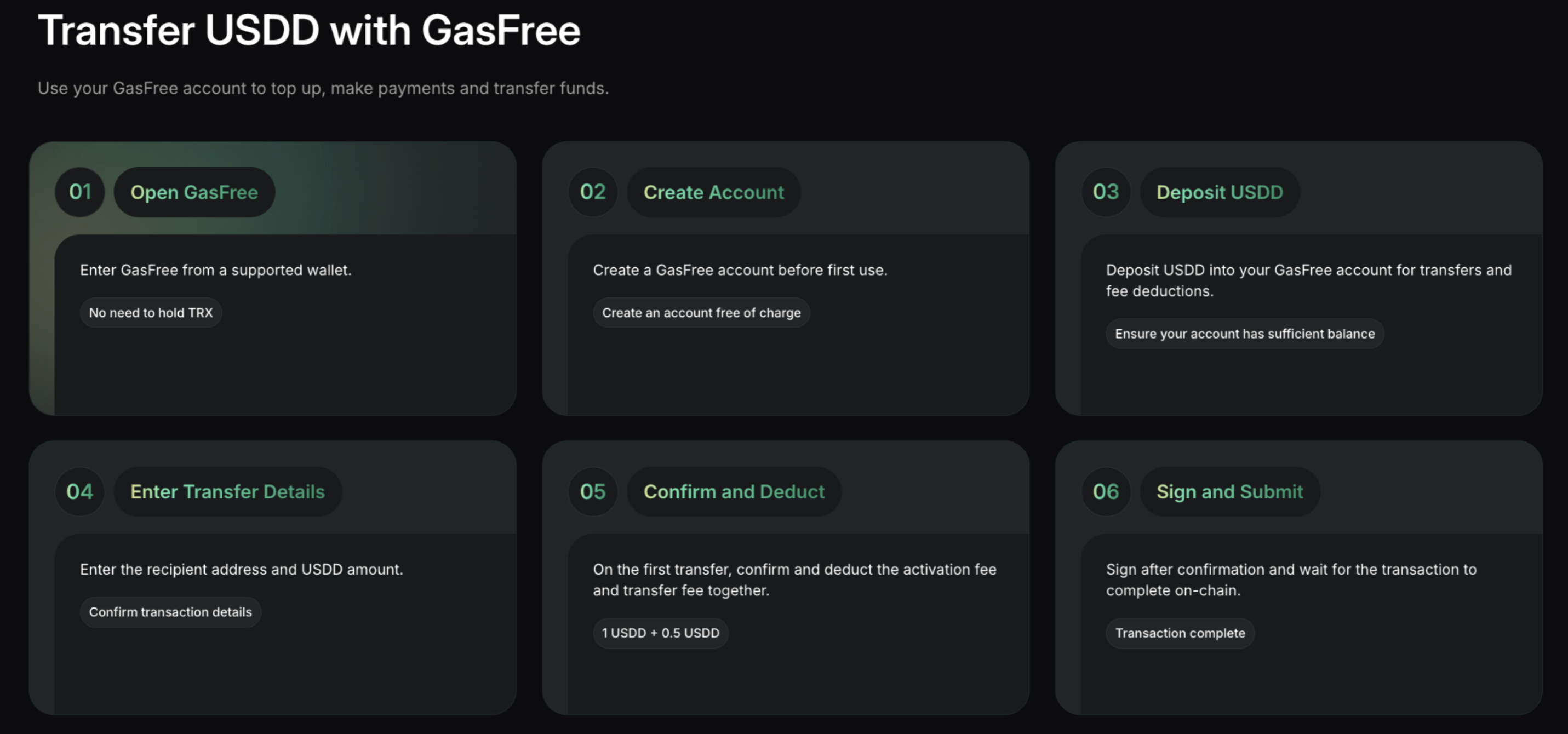 Source: USDD. Information checked on August 19, 2026.


