Market leaders: Dogecoin is the most recognizable brand and merchant-accepted cryptocurrency. Shiba Inu has transformed into an operational multi-token environment.
Supply models: DOGE has an inflationary supply with ~5.25 billion new coins created per year, while SHIB has a deflationary burn model with more than ~410 trillion tokens burned since its inception.
Dogecoin is optimized technically as a peer-to-peer payment network. Shiba Inu opens the doors to a DeFi ecosystem with its own decentralized exchange (ShibaSwap) and a Layer 2 network (Shibarium).
Liquidity: DOGE has much higher liquidity and a bigger market value, making it the more reliable asset in the meme coin sector.
Methodology of Comparison
We are evaluating them on a few predefined parameters such as tokenomics, network architecture, ecosystem value, market liquidity, and community participation.
All data is pulled from public sources, blockchain explorers, official documentation, and on-chain analytics.
Dogecoin vs Shiba Inu: Summary
Dogecoin and Shiba Inu both started in online culture but have gone down totally opposite paths.
One is a digital payment rail: easy, rapid, and affordable.
The other is striving to create a more decentralized platform with its own ecosystem.
Dogecoin Quick Overview
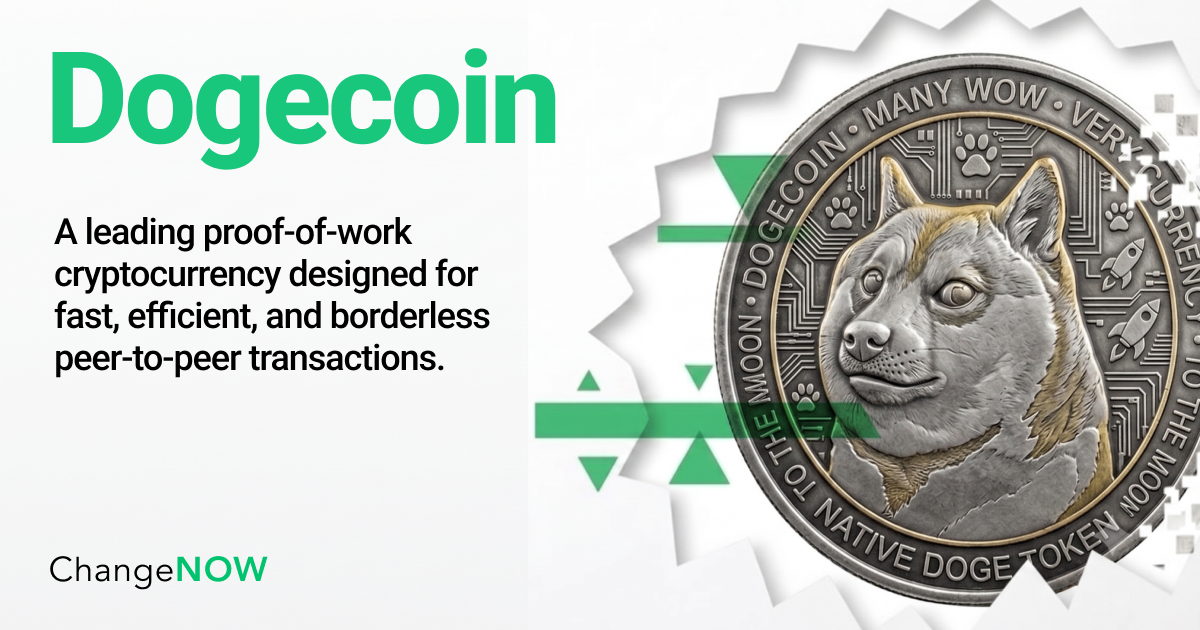
Dogecoin started off as a bit of a joke in December 2013, created as a playful alternative to Bitcoin featuring a Shiba Inu on it. But somehow, it became the most utilized meme cryptocurrency out there over the years.
It runs on its own proof-of-work chain that is built for speed and cheap transactions rather than trying to perform anything too complex. Its worth is primarily due to brand awareness, community excitement, and the fact that certain merchants actively accept it.
Shiba Inu Quick Overview
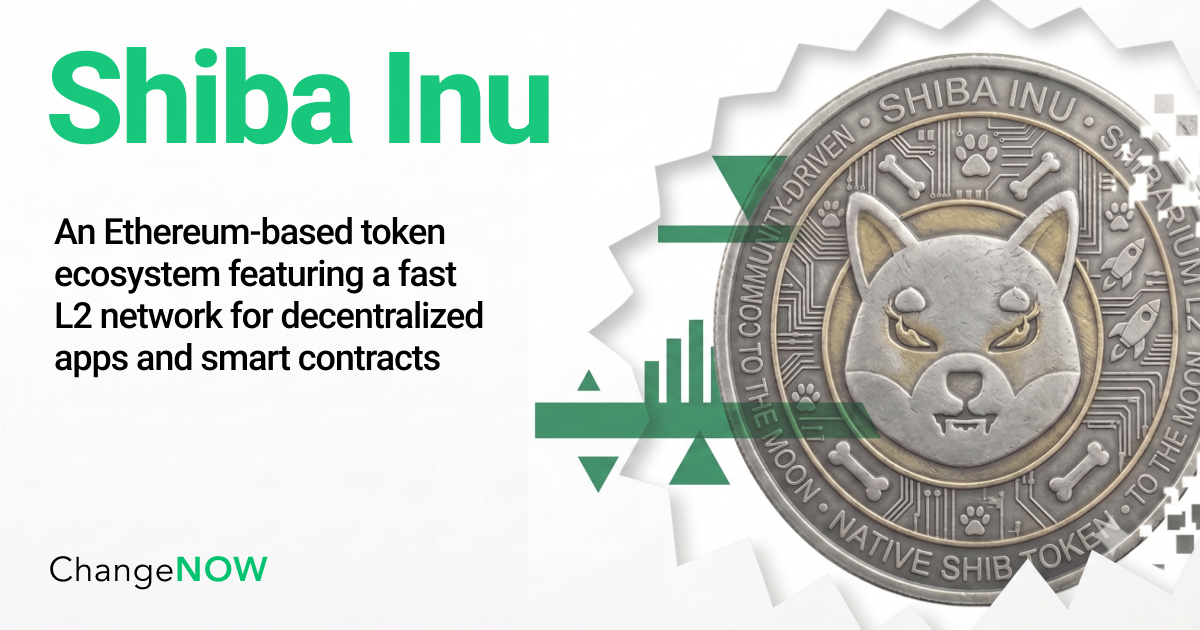
Shiba Inu was created in August 2020 as a direct competitor to Dogecoin, but the community gradually broadened its scope.
It is mostly a token on the Ethereum network, but it has created its own ecosystem including ShibaSwap, Shibarium, and several governance tokens. It is a cross between a currency and a decentralized platform.
DOGE vs SHIB: Head-to-Head Comparison
Key Features
Dogecoin deliberately keeps its features bare-bones. It performs one thing - safe, permissionless transfers, and it does it reliably. There is a block subsidy built in to maintain the network's security long-term. What it doesn’t do is native smart contracts or DeFi applications. It's just not what it's made for.
Shiba Inu offers a significantly broader collection of features. You’ve got ShibaSwap for token exchanging and liquidity provision, Shibarium for cheaper transactions, and a number of NFT collections. It’s a mini-ecosystem where developers and users can pursue yield and do more than just hold.
Tokenomics, Fees, and Supply
Dogecoin has a fixed issuance of roughly 5.25 billion new coins coming into the market per year. This leads to a stable, predictable inflation rate of around 1%. The supply is potentially limitless. This concept is designed to discourage hoarding and promote expenditure.
Shiba Inu launched with a total quantity of 1 quadrillion tokens. More than 410 trillion were famously burned shortly after launch, and billions more have been burned thereafter. The circulating supply is roughly 585 to 589 trillion. The burn mechanism is slow but permanent, making SHIB theoretically deflationary in the long run.
Speed & Reliability
New Dogecoin blocks are mined every 60 seconds. Usually, transactions are confirmed within 2-3 minutes. The fees are generally very low, often under $0.05, though they can fluctuate based on network congestion.
Shiba Inu takes Ethereum’s standard speed of 12-15 seconds per block, but the cost of mainnet transactions can be unpredictable. Shibarium (Layer 2) drastically cuts fees to a fraction of a cent and greatly enhances throughput, making numerous small transactions possible.
Security
Dogecoin employs the Scrypt algorithm, which makes it mineable with a wider range of hardware than Bitcoin. Its codebase is older and has a lengthy uptime track record, but it has not been subject to the contemporary security tests that complex smart contract platforms undergo.
Shiba Inu takes advantage of the security of Ethereum, one of the most secure networks in the world today. However, it is also vulnerable to the risks associated with the ERC-20 standard and the smart contracts placed on top of it (like the ShibaSwap contract).
User Experience
Dogecoin: For users, interacting with DOGE is a standard cryptocurrency wallet experience. It is easy to send and receive, making it accessible to non-technical users. Its UI across exchanges and wallets is standardized and predictable.
Shiba Inu: SHIB requires a better grasp of the crypto stack. To use it efficiently, you have to understand the difference between the Ethereum mainnet and Shibarium, manage gas fees, and potentially use bridges. It provides a more technical user experience.
Market Sentiment and Image
Dogecoin is sometimes referred to as the “blue chip” of the meme coin space. The sentiment is often positive, owing to cultural icons and long-term community loyalty. It’s considered a real crypto asset by conventional financial media.
Shiba Inu is known as a high-risk, high-reward ecosystem builder. It experienced massive growth during the 2021 DeFi and NFT boom, but its price action is more vulnerable to larger market dynamics around Layer 2 networks and Ethereum’s overall success.
Why Choose Dogecoin?
If stability and name recognition are your priorities, then Dogecoin is probably the best choice. It’s been around forever, many merchants accept it, and people know what it is. The supply model is simple, and at this point, the network is so enormous that it’s not going anywhere. For that level of reliability, DOGE seems like a safer bet.
Shiba Inu is a superior option for individuals interested in the DeFi and Web3 sector. If you wish to trade on decentralized exchanges, stake tokens for rewards, or dabble in the NFT ecosystem, SHIB gives you a native on-ramp. However, its product portfolio is more complicated and caters to crypto-native investors rather than casual customers.
Dogecoin and Shiba Inu serve different niches in the cryptocurrency industry. DOGE is a digital currency that focuses on culture and payments. SHIB is a decentralized platform that aims to improve utility built on top of Ethereum.
For investors, Dogecoin offers less volatility and more liquidity. Shiba Inu is a more functional environment for developers and DeFi lovers. The choice between them should be based on your particular use case, not just price speculation.
Safe is a relative term. Dogecoin has a simpler network with fewer moving parts and fewer points of failure. Shiba Inu benefits from the solid security of Ethereum, but its sophisticated smart contract system could potentially harbor bugs or vulnerabilities.
SHIB briefly overtook DOGE in 2021, but maintaining a greater market cap requires ongoing ecosystem adoption. At this point, DOGE still has the advantage in both trading volume and real-world payment use.
SHIB is quoted in fractions of a cent because there are roughly 585 to 589 trillion of them in circulation. DOGE has a circulating supply of over 145 billion. It is deceptive to compare coin prices directly; the ideal metric to compare is total market capitalization.
Dogecoin is much more efficient for payments. It has lower fees, faster on-chain validation, and significantly more merchant acceptance than Shiba Inu.
Is Ethereum a Good Investment? Expert Analysis & 2026 Network Outlook
Glamsterdam is successfully shipped, but the Ethereum Foundation faces a quiet leadership exodus and a looming multi-million dollar funding gap. Here is what experts and on-chain data say about the ETH's reality.
$1.5 quadrillion in annual stablecoin transactions by 2035. On-chain payments are set to rival Visa and Mastercard, Chainalysis reports. This rapid growth is reshaping the future of payments.