Quick answer: The cheapest network for USDT transfers in 2026 is Solana, Aptos, and Near, regularly costing less than $0.01 per transaction. If you need an EVM-compatible chain for wallets like MetaMask, BNB Smart Chain and Polygon are your best budget options, keeping transfer execution under $0.05. Ethereum used to be the priciest option, but recent upgrades brought its fees down to that same range. TRON remains the most expensive default at $1–$2 per transfer, but luckily we have tools like GasFree that can cut or eliminate that cost almost entirely.
Every time you swap crypto for Tether, you have to choose a network to transfer the funds to: TRON, Ethereum, BNB Smart Chain, Solana, or others. We support 16 of them on ChangeNOW.
If you don't have much experience in crypto and pick a network at random, for example Bitcoin (Omni Layer), the gas fees that will accompany this transfer very likely won’t make you happy.
To find the cheapest network for USDT, we analyzed execution costs across all supported chains on ChangeNOW using their respective blockchain explorers (including Etherscan, Tronscan, Solscan, and various L2 trackers). We then matched those numbers against our internal stats to see how real crypto users send their stablecoins.
What Network Is Tether On?
Tether is a multi-chain token. It does not have its own native blockchain like Bitcoin or Ethereum do.
Instead, the stablecoin operates across several different blockchains like TRON (TRC-20) and Ethereum (ERC-20). It’s also available on many other networks like Avalanche, TON, and Solana. Simply put, Bitcoin lives on the Bitcoin blockchain, Ether lives on Ethereum, and Tether rents a home.
Why Tether Doesn't Have Its Own Blockchain
Building a blockchain is a massive undertaking requiring validators, robust security systems, and industry-wide collaboration. Tether made a strategic decision to skip that setup process and just issue tokens on chains that already carry those costs.
In exchange, Tether pays per-transaction gas fees for every mint, burn, and smart contract update. This approach has proven highly effective, allowing the token to capture nearly 60% of the entire stablecoin market.
Rule of Thumb: Networks Must Match
Having the token on multiple chains creates a subtle trap. You must send funds to a matching network.
Sending Tether from BNB Smart Chain to an Ethereum address can leave your funds stuck in crypto limbo. Even if it’s often possible to recover crypto sent to the wrong network, the recovery process brings unnecessary stress.
Save yourself the headache and always verify that your sending and receiving networks match before confirming the transaction.
Need Tether on a specific network, say, Polygon? You can easily exchange it on ChangeNOW, and get the funds transferred on the exact network you need.
ChangeNOW supports stablecoin transfers across more than 15 different networks. To find the absolute cheapest options, we checked on-chain gas trackers for all of them.
Here is the complete hierarchy of transfer fees and speeds in 2026, ranked from cheapest to most expensive.
Network Category
Networks Included
Average Transfer Fee
Average Speed
Ultra-Low Cost
Solana, Aptos, Near, opBNB
< $0.01
1 – 3 seconds
Budget EVMs & L1s
Polygon, BSC, Avalanche, CELO
< $0.05
3 – 15 seconds
Layer-2 Rollups
Arbitrum One, Optimism
$0.05 – $0.20
1 – 5 seconds
Mid-Tier Standard
TRON, TON, Ethereum
$0.10 – $2.00
15 – 60 seconds
(Note: Avalanche operates as a Layer-1 network but directly competes with L2s in transaction pricing).
Ultra-Low Cost: Solana, Aptos, and Near
If your goal is to pay next to nothing, these chains are built exactly for that.
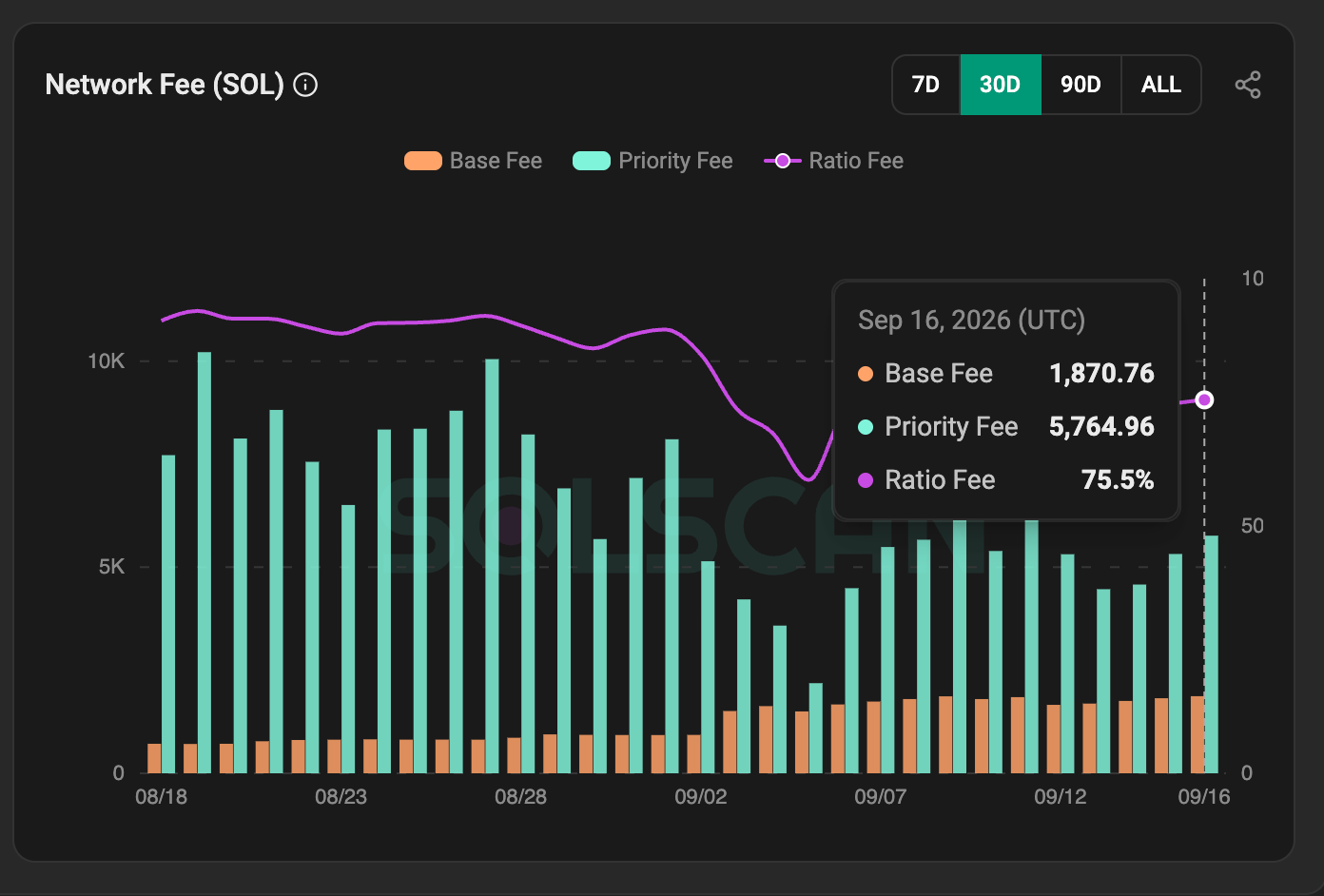
The tiny orange line at the bottom is the standard network fee. It costs fractions of a cent. The tall green bars show priority fees—an optional tip you add when the network gets busy. Even with that extra tip, your entire transfer fee almost always stays well under $0.01.
Aptos: features parallel transaction processing, popular with newer DeFi apps that need speed without compromise.
Near: powers consumer apps, built for mainstream, non-crypto-native users.
Budget EVMs & L2s: Polygon, Arbitrum, and BSC
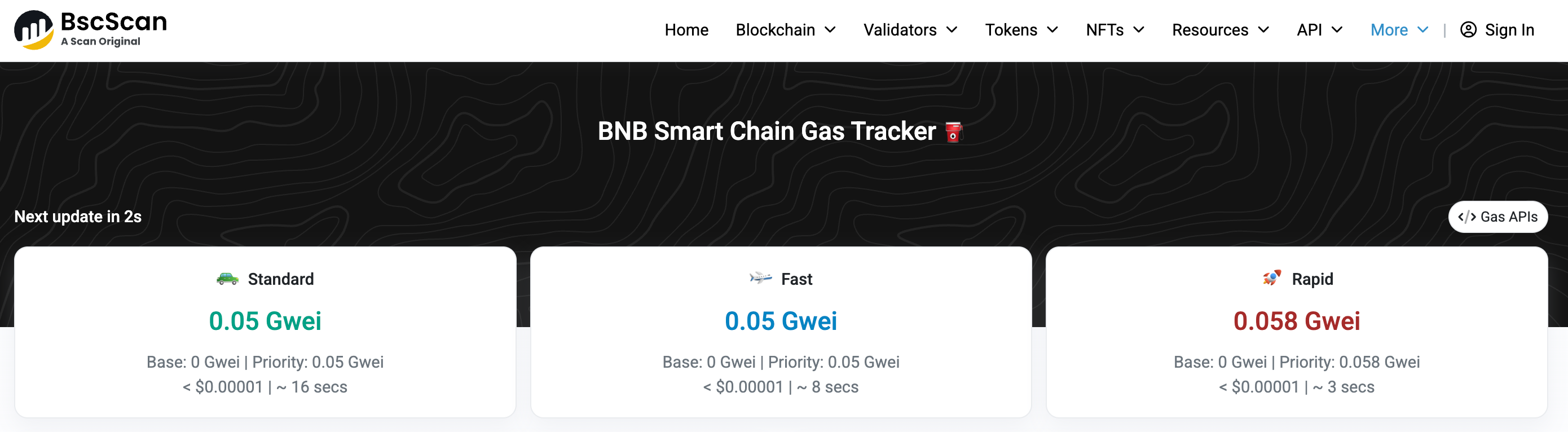
While Solana takes the trophy for absolute lowest raw fees, these three are the cheapest options specifically for EVM wallets. Fees range from a few cents to 20 cents per transfer—the sweet spot for MetaMask users who want to avoid high gas bills.
Polygon: one of the earliest cheap alternatives to Ethereum, now heavily relied upon for fast, low-cost sending.
Arbitrum: an Ethereum Layer-2. You get mainnet security but the price tag is much nicer.
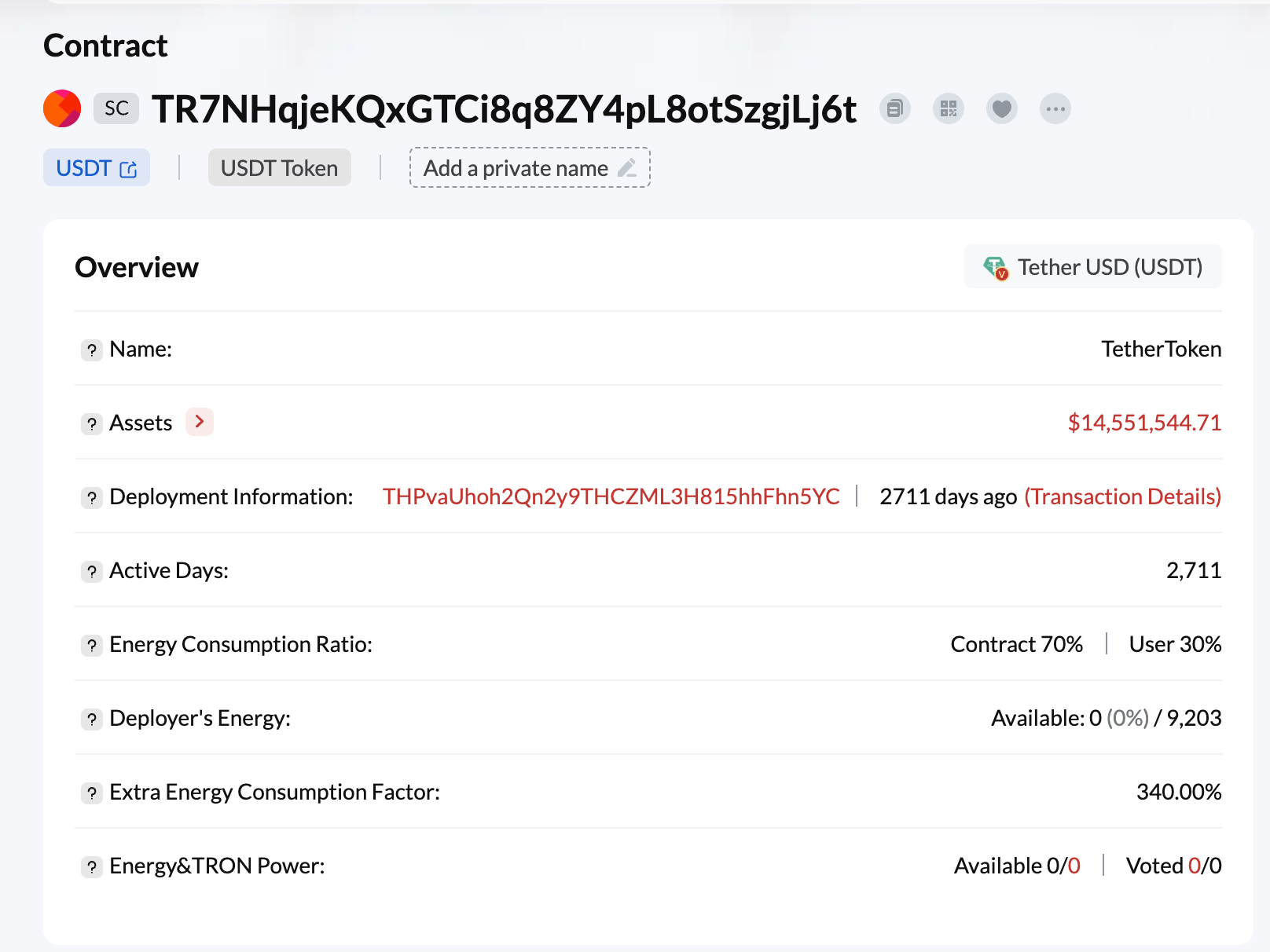
Tether covers 0% of your transfer cost, so the network charges you directly, usually resulting in $1–$2 per transaction. However, ChangeNOW's GasFree feature lets you send TRC-20 without holding TRX at all, cutting that fee down close to zero.
TON: deep Telegram integration makes in-chat payments seamless, with fees usually hovering between $0.10–$0.50.
Ethereum: went from premium to mid-tier after the Fusaka upgrade.
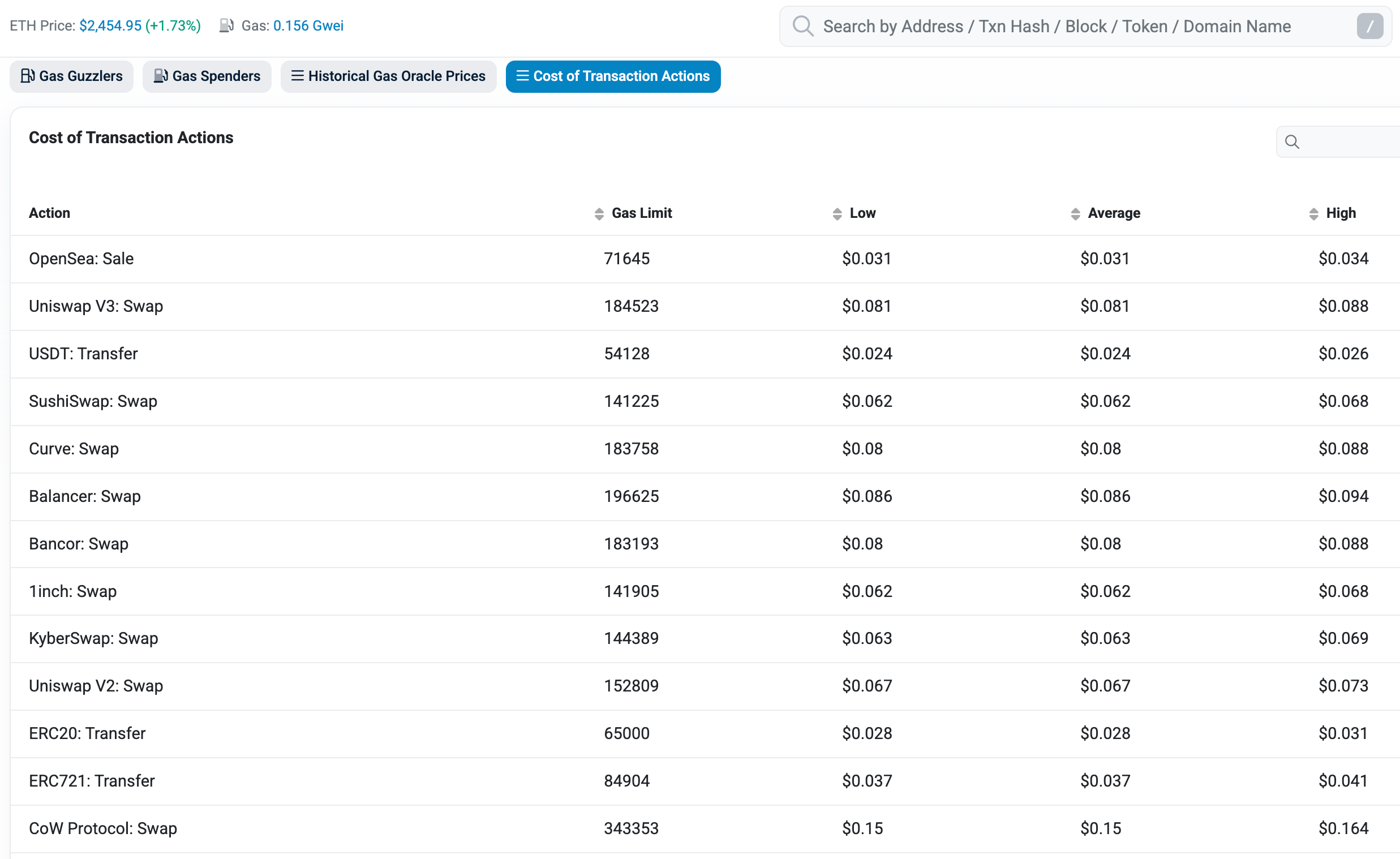
Ethereum gas fees used to be so ungodly high they became a meme. Today, the mainnet fees are much friendlier. The Etherscan data below shows a plain transfer now costs about $0.024, and even a complex smart contract execution rarely breaks $0.15.
The two undisputed giants of stablecoin transfers are TRON (TRC20) and Ethereum (ERC20). If you are torn between the classic and the most popular option, here is how they stack up against each other today.
Feature
TRC20 (TRON)
ERC20 (Ethereum)
Average Transfer Fee
$1.00 – $2.00
$0.05 – $0.15
Transaction Speed
~1 to 3 minutes
~15 to 60 seconds
Platform Support
Universal
Universal
Best Used For
Routine payments, default platform withdrawals
Large trades ($20,000+), DeFi liquidity
ChangeNOW Data: How Real People Send Tether
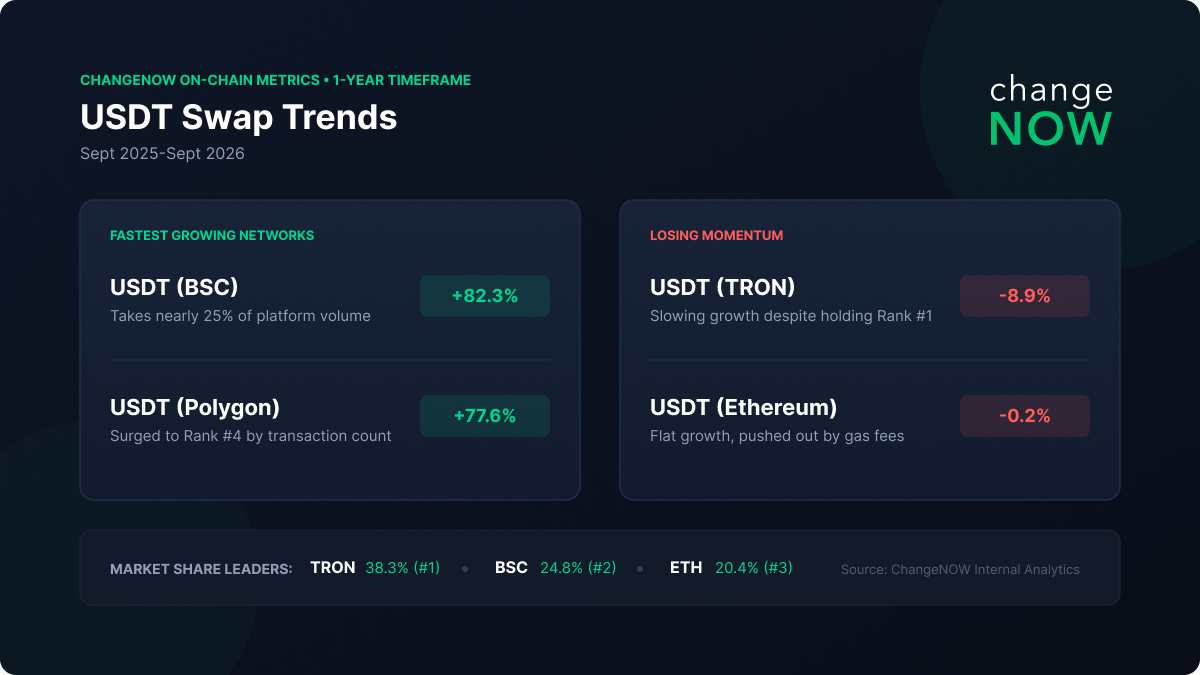
We checked our internal platform stats from Sept 2025 to Sept 2026 to see where our clients actually route their liquidity after exchanging it.
The numbers show a massive migration toward budget-friendly chains. Retail users doubled down on low fees: transfer volume on BNB Smart Chain exploded 82.3% over the year, conquering nearly 25% of all volume on our platform. Polygon followed the exact same trend, jumping 77.6%. TON emerged as a breakout star, growing by 50% thanks to Telegram’s instant crypto integration.
Conversely, the traditional leaders are losing dominance. Ethereum mainnet volume stayed totally flat (-0.24%). TRON is still undeniably #1, but its share of total network activity dropped from 47.9% to 38.3% YoY. It's still the default choice, but users are increasingly sending their funds through cheaper alternatives.
How to Transfer Across Different Networks Safely
Moving funds between two different chains is not as simple as copying and pasting an address. Blockchains can’t talk to each other directly.
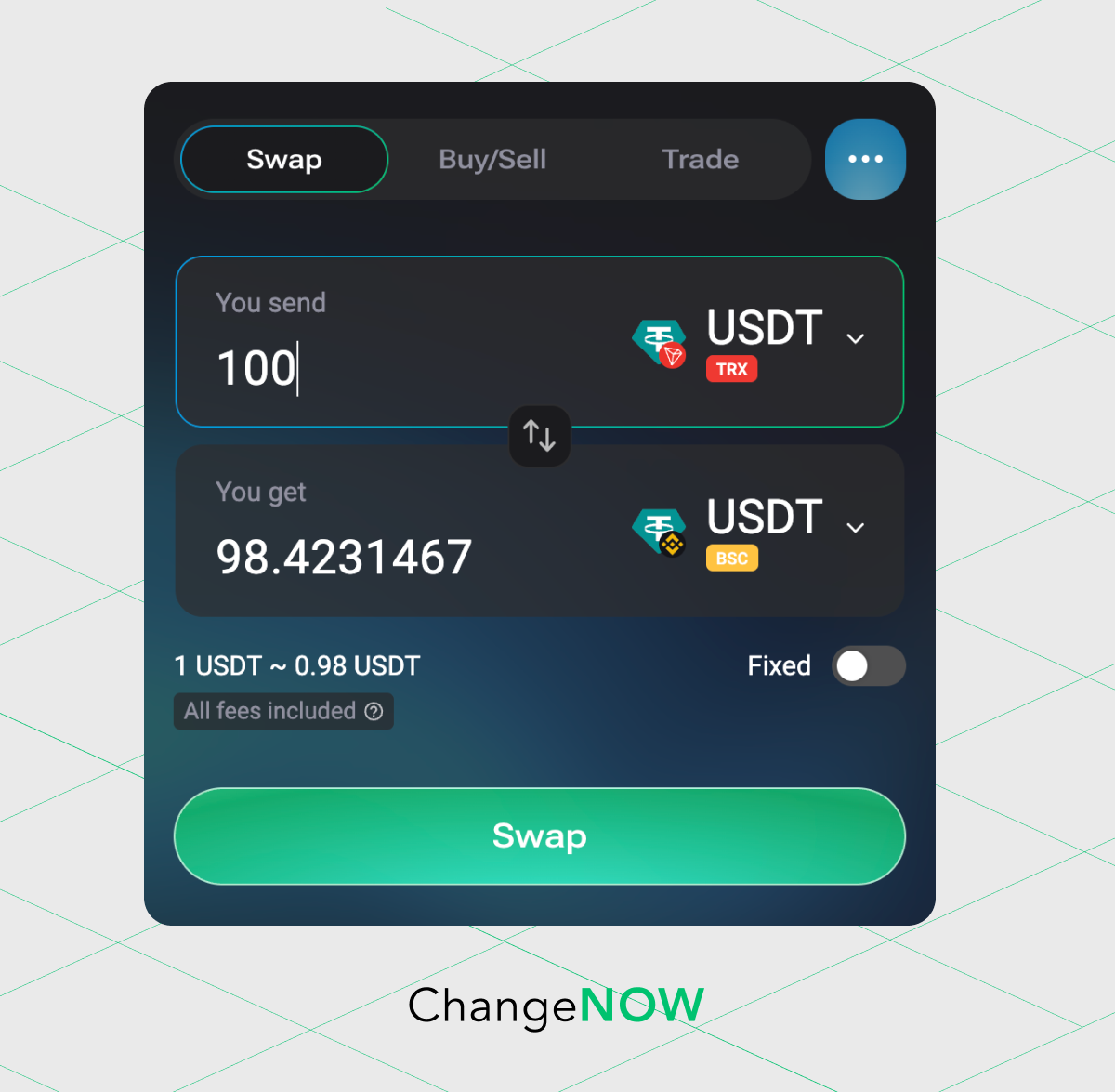
If you hold a stablecoin on TRON and need it on BNB Smart Chain, your optimal option is to use a platform like ChangeNOW to run a direct cross-chain bridge. You don’t even need an account to do that.
Here is the exact flow:
Choose your networks. Select TRON as your starting chain and BSC as the destination.
Paste your receiving address. Enter your BNB Smart Chain wallet address where the new tokens should arrive.
Send your deposit. ChangeNOW generates a unique TRON address for you. Send your original funds there.
Receive your funds. The platform quickly bridges the chains and sends the fresh tokens to your target wallet.
There is no single blockchain that fits every transaction. Your perfect choice always depends on the amounts you move and where you send them.
For high-speed, micro-transfers: Pick Solana, Aptos, or Near. They are perfect for small budgets where paying even a few cents feels like too much.
For everyday EVM users: Route through BNB Smart Chain, Polygon, or Layer-2s like Arbitrum. You keep your execution costs low without leaving MetaMask.
For routine payments: Stick with TRON. It’s not the cheapest, but it is universally accepted across almost all centralized platforms. Alternatively, TON makes moving money through Telegram incredibly easy.
For large trades ($20,000 and up): Route through Ethereum. It still has the deepest liquidity and solid security protocols to handle massive volume safely.
Gentle reminder:Before confirming any transaction, take three seconds to verify the network. Matching your sending and destination chains keeps your funds secure, helps you avoid unnecessary fees, and protects your mental health.
FAQ
Solana, Aptos, and Near offer the absolute lowest transfer fees, regularly costing less than a single cent ($0.01). If you prefer EVM-compatible networks, BNB Smart Chain and Polygon are your best budget options, keeping execution under $0.05.
No. Blockchains are isolated. Sending tokens directly from a TRON wallet to an Ethereum address will cause your transaction to fail or your funds to get permanently lost. You must use a cross-chain service to bridge the two networks safely.
TRON fees depend on the network's Energy model. When network activity spikes, the cost to burn TRX for that required Energy increases. Smart contract transfers can cost $1 to $2 if you do not have TRX staked in your wallet to cover the gas.
Ethereum makes sense primarily for large trades above $20,000. Deep liquidity pools on the mainnet absorb massive volume with minimal price slippage, making the standard gas fees highly worthwhile for institutions and whales.


 Source:
  Source:
  Source:
  Source: